Mold Inspection Cost Guide: Protecting Your Home & Health Without Breaking the Bank
Discovering mold in your home is often a stressful experience, bringing concerns about potential health risks and property damage. Among the many questions that arise, one of the most common is: “How much does a mold inspection cost?” It’s a valid concern, as understanding the potential expense is crucial for budgeting and making informed decisions about protecting your property and the well-being of your family.
A professional mold inspection is a critical first step in identifying the presence, extent, and cause of mold growth. However, the cost isn’t always straightforward and can vary significantly. This guide is designed to break down the factors that influence mold inspection costs, giving you a clear picture of what to expect.
What is Mold Inspection?
A professional mold inspection is a specialized service designed to identify if mold is present in a building, determine the source of moisture feeding its growth, and assess the extent of the contamination.
Understanding that a mold inspection is distinct from mold remediation is crucial. While an inspection identifies the problem, remediation is the process of safely removing the mold.
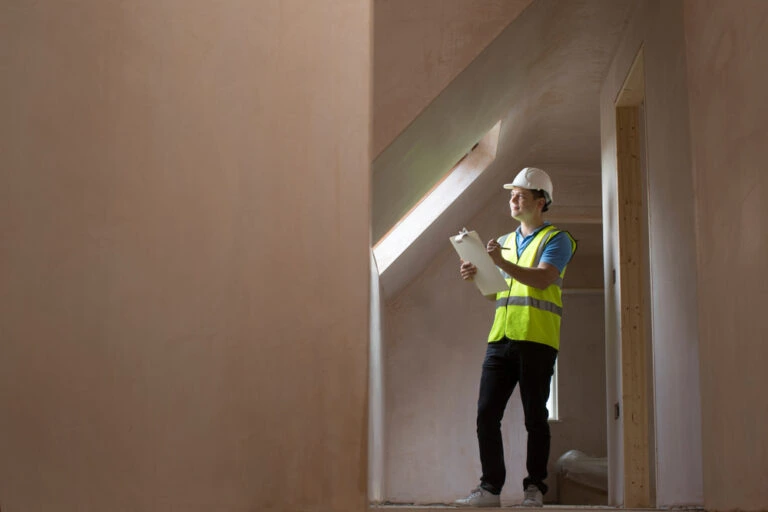
During an inspection, a qualified professional systematically examines your property, looking for visible signs of mold growth, investigating areas prone to moisture accumulation, and utilizing tools like moisture meters and thermal cameras to uncover hidden issues. Their goal is to provide you with a clear picture of any mold issues and the underlying causes, forming the basis for any necessary next steps.
Book Your Appointment Today!
Factors Influencing Mold Inspection Cost
Now let’s dive into what actually makes mold inspection costs go up or down. It’s not just a single price tag, as several things can influence the final amount you’ll pay. Think of it like getting your car fixed – the cost depends on the make and model, what’s wrong with it, and what parts are needed. Mold inspection is pretty similar!
Here are the key factors that play a role in the cost:
- The Size of Your Property: This is a big one. Naturally, inspecting a small apartment takes less time and effort than inspecting a large multi-story house or a commercial building. More square footage usually means a higher cost.
- The Extent of the Mold Problem (or Suspected Problem): Is there just a small patch of visible mold in one bathroom, or do you suspect a hidden, widespread issue behind walls or under flooring? The more extensive or complex the potential contamination, the more thorough and time-consuming the inspection will be, impacting the price.
- Accessibility: Can the inspector easily access all the areas that need to be checked? Crawl spaces, tight attics, or finished basements with limited entry points can make the job harder and add to the cost.
- Type of Testing Required: A basic visual inspection will be the least expensive. However, testing is often necessary to truly understand the issue, especially if mold is suspected but not visible. The type of sampling can significantly affect the cost. Common types of testing include:
- Air Sampling: Measures the concentration of mold spores in the air.
- Surface Sampling: (like swabs or tape lifts) Collects samples directly from suspicious surfaces.
- Bulk Sampling: Involves taking a piece of the affected material (like drywall or carpet). Different tests provide different information, and your inspector will recommend what’s appropriate.
- Your Geographic Location: Costs for services, including mold inspection, vary depending on where you live. High-cost-of-living areas typically have higher service prices.
- The Inspector’s Experience and Certifications: Highly experienced and certified mold inspectors often charge more for their expertise, but they can also provide a more accurate assessment and valuable recommendations.
- What’s Included in the Service: Understand what the base price covers. Does it include a detailed written report, moisture testing with specialized equipment, or thermal imaging to detect hidden moisture? Comprehensive services might have a higher initial cost but provide a more complete picture.
- Urgency: If you need a rushed inspection, you might pay a premium for expedited service.
What Does a Mold Inspection Typically Include?
So, what actually happens during a mold inspection? It’s more than just a quick look around. A thorough professional inspection involves a systematic process to evaluate your property for mold issues. This typically starts with a comprehensive visual inspection of accessible indoor and outdoor areas where moisture or mold growth is likely.
Inspectors use specialized equipment to help them, such as moisture meters to detect elevated moisture levels in building materials that might not be visible, and sometimes thermal cameras to identify temperature differences that could indicate hidden moisture or structural issues.
Depending on the situation and the agreed-upon service, the inspector may also collect air, surface (swab/tape lift), or bulk samples to be sent to an accredited laboratory for analysis. This testing helps identify the types of mold present and their concentration.
Finally, a crucial part of the service is the detailed report. This document will outline the inspector’s findings, including any areas of concern, moisture readings, laboratory results (if samples were taken), and clear recommendations for addressing any mold issues and preventing future growth. They can also guide you on the next steps, like professional mold remediation.
Tips for Saving Money on Mold Inspection
Nobody wants to spend more than they have to, including necessary services like mold inspection. While it’s an important investment in your home and health, there are a few smart ways to potentially save some money:
- Get Multiple Quotes: Don’t just go with the first inspector you call. Contact a few qualified professionals, compare their pricing, and understand exactly what’s included in their service. This can help you find a competitive rate.
- Address Moisture Issues Promptly: The most effective way to save money in the long run is to prevent mold in the first place! Fix leaks, reduce humidity, and dry wet areas within 24-48 hours. Proactive moisture control can prevent minor issues from becoming costly, widespread mold problems requiring extensive inspection and remediation.
- Understand the Scope of Work: Be clear with the inspector about your concerns and what you expect. Ensure the proposal clearly outlines the areas to be inspected and the type of testing (if any). Avoiding unnecessary testing or inspections of areas you’ve already confirmed are mold-free can help manage costs.
Frequently Asked Questions (FAQ) About Mold Inspection Costs
Does a homeowner’s insurance cover mold inspection? Coverage varies greatly depending on your specific policy and the cause of the mold. Generally, the inspection and remediation might be covered if the mold resulted from a sudden and accidental peril covered by your policy (like a burst pipe). However, mold from ongoing moisture issues or neglect is typically not covered. It’s always best to check with your insurance provider.
How long does a mold inspection take? The duration depends on the size of your property and the complexity of the inspection, but a typical residential inspection can take anywhere from 1 to 3 hours. More extensive issues or larger properties will take longer.
What happens after the inspection if mold is found? The inspector will provide a detailed report outlining the findings and recommendations. They will likely suggest a mold remediation plan and may recommend qualified professionals to perform the cleanup. Remember, inspectors typically identify the problem; they don’t fix it.
Is mold testing always necessary? Not always. If mold is clearly visible and the cause of moisture is known, testing might not be required to confirm its presence. However, testing is crucial for identifying hidden mold issues, determining spore concentrations, and identifying the type of mold, which can be important for health reasons and remediation protocols. Your inspector can advise if testing is needed.
Conclusion
Investing in a professional mold inspection is a crucial step in protecting both your property and the health of everyone living in it. While the cost is a natural consideration, understanding the factors that influence it helps you prepare and make an informed decision.
Don’t let concerns about cost deter you from addressing potential mold problems. Contact Fun Guy Inspection & Consulting LLC today for a detailed quote and to schedule your professional mold inspection. Our experts are ready to help you understand your home’s condition.
Call (888) 470-0470 today!
Mold Inspection & Testing
Â
Fun Guy Inspection & Consulting LLC does not remove mold and always recommends specialist remove the mold and clean the affected areas of the building or structure. Certified Mold Removal Specialist>>>. Call 888.470.0470
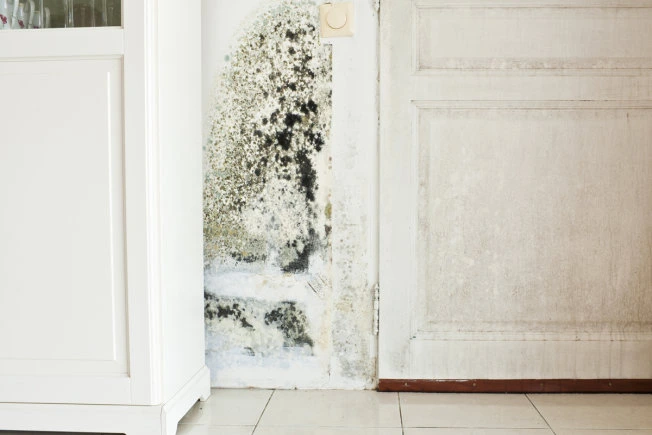
Black Mold Inspection – ID by a Certified Mold Inspector – Picture Left
Â
Â
Moisture Testing – Water Damaged Building Materials

During a mold inspection, a mold inspector will determine if drywall and other building materials are holding moisture, with potential for mold to grow. Knowledge of a recent flood or previous water event is an important factor in determining remedial strategies or a Mold Inspection-Testing hypothesis. The history of a building is a critical piece of information that can help isolate a potential mold problem. Indoor contaminants caused by damp and humid conditions should be repaired by a licensed, bonded and insured specialty mold remediation company. Water Damage? Mold Problems? Free Mold Quote! Call 888.470.0470
BMoisture Test – Picture Left
Â
Mold Inspection & Samples – Air / Bulk Environmental Testing

 During your Mold Inspection, Mold samples can help determine a “snap shot” of your indoor environment. Air samples for Mold spores can be taken from your indoor environment and can help Fun Guy Mold Inspection & Consulting LLC detect and confirm suspect mold growth conditions. Physical mold samples including bulk mold samples, tape lift mold samples and swab mold samples, all can be taken by a mold inspector at the time of your mold investigation. The EPA (Environmental Protection Agency) has limited information on Permissible Exposure Limits PELs to biological contaminants within residential structures. Fun Guy Inspection & Consulting LLC uses EMLab, an AIHA (American Industrial Hygiene Association) accredited laboratory for all microbial analysis. Mold samples taken with Air-O-Cell cassettes can help determine if mold spore concentrations are normal or elevated within indoor environments. Call Today to learn more 888.470.0470

Mold Spore Sampling and Analysis – Picture Left

The process of inspecting for mold will help identify the extent of water damage, areas with visible mold growth and a plan for restoration.
For more CALL 888-470-0470.888.470.0470
Â

Commercial mold inspections can be conducted after moisture intrusion, prior to a new tenant move in or during the sale of a commercial property.
Call (888) 470 .0470