
Why Air Quality Testing Is Often Included With Professional Mold Inspections
Understanding the Connection Between Mold and Indoor Air Quality
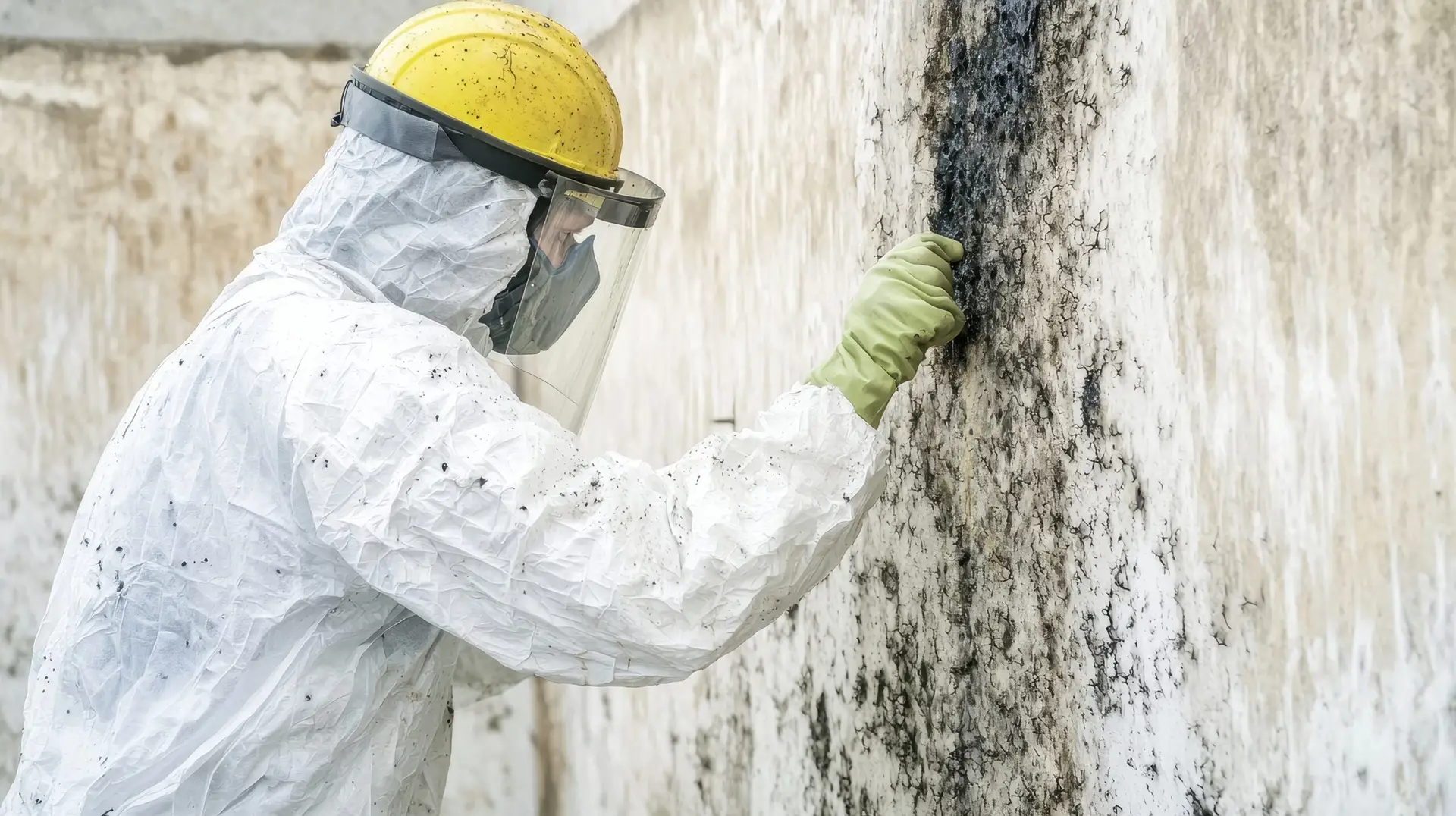
When people notice signs of mold inside their homes or commercial buildings, they often focus only on the visible growth. While mold growing on walls, ceilings, or other surfaces certainly deserves attention, the problem frequently extends far beyond what can be seen with the naked eye. Mold releases microscopic spores into the air that can travel throughout a property, making indoor air quality an important part of a complete inspection. This is why professional mold inspections often include air quality testing as an essential step. At Fun Guy Inspections, we believe that understanding what is circulating through the indoor environment allows us to provide a much clearer picture of the property’s overall condition.
Mold Is Not Always Visible
One of the biggest misconceptions about mold is that it must be visible before it becomes a concern. In reality, mold often develops behind drywall, beneath flooring, inside crawl spaces, within HVAC systems, or above ceilings where it remains hidden for extended periods. During this time, spores can continue spreading through the indoor air without creating obvious visual evidence. A building may appear clean while airborne mold concentrations continue to increase. Air quality testing helps identify these hidden issues by measuring the presence of mold spores that may not yet have produced visible colonies, giving property owners valuable information before the problem becomes more severe.
Airborne Mold Spores Can Travel Throughout a Building
Mold reproduces by releasing tiny spores that easily become airborne. Once these spores enter the air, they can travel from one room to another through natural airflow, ventilation systems, doors, windows, and even daily household activities. This means a localized moisture problem can eventually influence multiple areas of a property. Air quality testing helps determine whether mold spores have spread beyond the original source and whether contamination has affected other indoor spaces. Understanding how spores move throughout a building allows inspectors to identify whether the issue is isolated or requires a broader remediation strategy.
Air Testing Helps Detect Hidden Moisture Problems
Moisture is the driving force behind mold growth, but the source of that moisture is not always easy to locate. Slow plumbing leaks, roof damage, foundation seepage, condensation around HVAC equipment, or elevated indoor humidity can all create favorable conditions for mold development. Even after moisture becomes trapped inside building materials, there may be few outward signs for months. Elevated airborne mold levels often provide important clues that hidden moisture problems exist somewhere within the structure. Combining visual inspection techniques with air quality testing increases the likelihood of identifying concealed conditions before extensive structural damage develops.
Comparing Indoor and Outdoor Air Samples
Professional air quality testing typically involves collecting samples from multiple indoor locations as well as an outdoor control sample. Outdoor air naturally contains mold spores, making it an important baseline for comparison. Inspectors evaluate the types and concentrations of spores found indoors relative to those outside the building. If indoor levels are significantly higher or unusual species are present, the results may indicate active mold growth within the property. This comparison provides meaningful context that cannot be obtained simply by identifying mold spores in the air alone, allowing inspection findings to be interpreted more accurately.
Supporting Accurate Mold Inspection Findings
Visual observations provide valuable information, but they represent only one part of a comprehensive mold assessment. Air quality testing offers additional scientific data that strengthens inspection conclusions. Laboratory analysis identifies the types of spores present and estimates their concentration within sampled areas. When combined with moisture readings, thermal imaging, building history, and physical observations, inspectors can develop a much more complete understanding of the property’s condition. This integrated approach reduces uncertainty and helps property owners make informed decisions regarding further investigation or remediation.
Evaluating Areas That Cannot Be Easily Accessed
Some sections of a property are difficult or impossible to inspect directly without invasive methods. Wall cavities, insulation, mechanical chases, ventilation ducts, and ceiling voids often conceal conditions that cannot be visually examined during a standard inspection. Air quality testing provides indirect evidence of what may be occurring inside these hidden spaces. If elevated mold spores are detected without visible mold elsewhere, inspectors may recommend targeted investigation in specific concealed areas. This approach minimizes unnecessary demolition while directing attention toward the most likely sources of contamination.
Helping Protect Occupant Health
Although individuals respond differently to mold exposure, indoor air quality remains an important consideration for maintaining a healthy living or working environment. Airborne mold spores may contribute to allergy symptoms, respiratory irritation, coughing, congestion, or discomfort for sensitive individuals. Young children, older adults, and people with existing respiratory conditions may be particularly affected by poor indoor air quality. Identifying elevated mold spore levels allows property owners to address environmental concerns before prolonged exposure continues. Understanding indoor air conditions supports healthier spaces for everyone using the building.
Confirming the Effectiveness of Mold Remediation
Air quality testing is valuable not only before remediation but also after cleanup has been completed. Once contaminated materials have been removed and moisture problems corrected, post remediation testing helps determine whether airborne mold spore levels have returned to expected conditions. This verification provides additional confidence that remediation efforts successfully addressed the underlying issue rather than simply removing visible mold. Property owners gain reassurance that corrective work has produced measurable improvements in indoor air quality before normal occupancy resumes.
Supporting Real Estate Transactions
Homebuyers, sellers, investors, and commercial property owners often request mold inspections during real estate transactions. Air quality testing provides objective information that helps all parties better understand the property’s environmental condition. Buyers appreciate having documented evidence regarding indoor air quality before completing a purchase, while sellers benefit from identifying concerns that can be addressed proactively. Objective laboratory data often reduces uncertainty during negotiations by providing independent findings rather than relying solely on visual observations or assumptions about potential mold issues.
Building Long Term Moisture Prevention Strategies
A professional mold inspection should do more than identify current mold growth. It should also help property owners understand why conditions developed and how future problems can be prevented. Air quality testing contributes to this larger picture by identifying patterns that may indicate recurring moisture intrusion, ventilation deficiencies, or humidity control issues. Addressing these contributing factors improves long term building performance while reducing the likelihood of repeated mold growth. Preventive recommendations based on comprehensive inspection findings often save significant repair costs over time.
Why Professional Experience Matters
Accurate air quality testing requires proper sampling techniques, careful interpretation of laboratory results, and a thorough understanding of building science. Air samples alone do not tell the entire story unless they are evaluated alongside moisture conditions, construction characteristics, ventilation systems, and visible inspection findings. At Fun Guy Inspections, we combine detailed inspections with professional air quality testing to deliver reliable assessments that help clients understand the true condition of their property. Our goal is to provide information that supports confident decisions and effective solutions rather than assumptions based on surface observations.
Professional mold inspections are most effective when they evaluate both visible conditions and the quality of the air people breathe every day. Since mold spores often spread far beyond visible growth, air quality testing adds an important layer of information that helps detect hidden contamination, evaluate moisture related concerns, and confirm the effectiveness of remediation efforts. By combining visual expertise with laboratory analysis, Fun Guy Inspections provides comprehensive evaluations that help property owners identify problems early, protect indoor environments, and make informed decisions about maintaining healthy, safe, and comfortable buildings for years to come.