
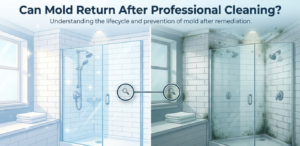
Understanding Why Mold Can Return After Professional Cleaning
Professional mold cleaning can make a significant difference in a home’s indoor environment, but it does not always guarantee that mold will never return. Mold can reappear when moisture problems remain unresolved, even after visible growth has been removed from walls, ceilings, floors, or other surfaces. Homeowners may notice dark spots returning in the same area, a musty odor developing in a previously cleaned room, or discoloration spreading around windows and baseboards. These signs can indicate that the original moisture source was not fully addressed or that mold remains hidden behind building materials. Professional cleaning is an important step in addressing mold contamination, but lasting results depend on identifying and correcting the conditions that allow mold to grow. Understanding the reasons mold returns can help homeowners make informed decisions about further inspections, moisture control, and preventive maintenance.
Why Mold Sometimes Returns After Professional Cleaning
Mold spores are naturally present in indoor and outdoor environments, so completely eliminating every spore from a home is neither realistic nor necessary. Mold becomes a problem when spores encounter suitable conditions, particularly moisture, organic materials, and favorable temperatures. Professional cleaning generally focuses on removing existing mold growth and addressing affected materials, but the effectiveness of the process depends on the extent of contamination and the methods used. If moisture continues to enter the building or remains trapped within walls, flooring, insulation, or other materials, mold may begin growing again. In some cases, the visible mold was only one part of a larger problem that extended beyond the initially treated area. Homeowners who experience recurring mold should investigate the underlying conditions instead of repeatedly cleaning the same surfaces without determining why the growth keeps returning.
Hidden Plumbing Leaks Behind Walls and Cabinets
Plumbing leaks are among the common causes of recurring mold in residential properties because even a small, slow leak can supply enough moisture for mold growth. Pipes located behind bathroom walls, beneath kitchen sinks, inside utility closets, and under flooring may leak without producing immediately noticeable signs. Over time, moisture can accumulate inside wall cavities, soak into wood framing, and damage drywall or insulation. A professional cleaning service may remove visible mold from an accessible surface while a concealed leak continues to affect the surrounding structure. Homeowners should investigate recurring mold near sinks, toilets, showers, washing machines, water heaters, and other plumbing fixtures. Persistent musty odors, bubbling paint, swollen cabinetry, soft drywall, and unexplained increases in water consumption can all justify further investigation by a qualified plumbing professional.
Roof Leaks and Damaged Exterior Materials
Roof damage can allow rainwater to enter an attic, ceiling cavity, or upper wall and create conditions that support recurring mold growth. Missing shingles, damaged flashing, deteriorated seals around roof penetrations, and blocked drainage systems can all contribute to unwanted moisture intrusion. Sometimes, a roof leak appears only during heavy rainfall, making it difficult to identify during a routine visual inspection. Water may travel along rafters or other structural components before appearing as a stain on a ceiling, meaning the visible damage may be some distance from the actual entry point. If mold returns near ceiling corners, attic access points, skylights, or exterior walls, homeowners should consider whether the roof or building envelope is allowing water inside. Repairing the source of water intrusion and properly drying affected materials are essential steps toward preventing future growth.
Excess Indoor Humidity and Poor Ventilation
Indoor humidity can create persistent mold problems even when a property has no obvious plumbing leaks or roof damage. Everyday activities such as showering, cooking, washing clothes, and drying laundry indoors release moisture into the air. When this moisture cannot escape through adequate ventilation, humidity may rise and settle on cool surfaces, including windows, exterior walls, ceilings, and areas behind furniture. Bathrooms without effective exhaust fans and kitchens with insufficient ventilation are particularly vulnerable to recurring mold. Homeowners should pay attention to condensation on windows, damp corners, persistent bathroom moisture, and musty odors that become more noticeable during humid weather. Maintaining appropriate indoor humidity, improving air circulation, and using properly vented exhaust systems can help reduce the conditions that encourage mold growth.
Condensation on Cold Walls and Windows
Condensation occurs when warm, moisture-laden air comes into contact with a surface that is sufficiently cold for water vapor to turn into liquid droplets. This process can repeatedly dampen windowsills, exterior wall corners, window frames, and areas around metal or poorly insulated building components. Even after professional cleaning, mold may return if condensation continues to wet the same surfaces. Homes with inadequate insulation, thermal bridging, poorly sealed windows, or uneven indoor temperatures may be especially susceptible to this problem. Homeowners should observe whether moisture appears during cold mornings, after showers, or when outdoor temperatures change significantly. Improving insulation where appropriate, reducing excess indoor humidity, and correcting ventilation problems can help limit condensation and reduce the likelihood of recurring mold.
Mold Growing Behind Drywall and Wallpaper
Visible mold on a wall may represent only a small portion of a larger area of contamination hidden behind the surface. Moisture can enter wall cavities through plumbing leaks, exterior water intrusion, damaged seals, or condensation, allowing mold to develop on the back of drywall, insulation, wood framing, and wallpaper adhesive. Cleaning the exposed surface may temporarily improve its appearance without resolving contamination within the wall assembly. Mold can then reappear through paint, wallpaper seams, or deteriorating finishes as moisture continues to affect the concealed materials. Homeowners should investigate recurring discoloration, peeling wallpaper, soft wall sections, and musty odors that persist even after cleaning. When evidence suggests hidden contamination, a qualified professional can assess the affected area and determine whether additional inspection, controlled removal of materials, or moisture testing is warranted.
Damp Basements, Crawl Spaces, and Foundations
Basements and crawl spaces can contribute to recurring mold throughout a home because these areas are often exposed to ground moisture, limited airflow, and fluctuating temperatures. Water may enter through foundation cracks, poorly functioning drainage systems, deteriorated waterproofing, or improperly directed downspouts. Moisture can also migrate through concrete and masonry, raising humidity levels even when standing water is not present. Mold growth in these spaces may affect wooden framing, stored belongings, insulation, and other organic materials. Homeowners who notice mold near basement walls, ground-level flooring, crawl space access points, or the lower portions of interior walls should investigate possible moisture movement from below the building. Improving exterior drainage, addressing foundation water entry, controlling crawl space humidity, and ensuring that affected materials dry properly can help prevent repeated contamination.
Air Conditioning and HVAC System Problems
Heating, ventilation, and air conditioning systems can contribute to recurring mold when condensation, drainage problems, or excessive humidity are not properly controlled. Air conditioners remove moisture from indoor air, and that moisture must drain away through a functioning condensate system. Blocked drain lines, standing water in drain pans, dirty components, and damp insulation can create conditions favorable to microbial growth. In some situations, mold or accumulated moisture may be present around supply vents, air handlers, duct insulation, or other system components. Homeowners should investigate repeated mold growth near vents, unusual musty odors when the system starts, and condensation around air conditioning equipment. A qualified HVAC technician can assess drainage, condensate management, airflow, and system performance to determine whether mechanical problems are contributing to the issue.
Incomplete Mold Removal or Inadequate Drying
Mold remediation requires more than wiping away visible discoloration because affected materials and the surrounding environment must be evaluated appropriately. If contaminated porous materials are left in place when they cannot be effectively cleaned, mold may continue developing beneath the surface. Similarly, cleaning a water-damaged area before it has been adequately dried can leave conditions that support renewed growth. Incomplete containment or improper handling during remediation may also allow dust and mold-containing debris to spread into nearby areas. Homeowners should review whether the original work addressed the full extent of the affected area and whether the moisture source was corrected. If mold returns shortly after treatment, an independent assessment may help determine whether the problem involves incomplete remediation, persistent moisture, or an unrelated source of new contamination.
Furniture Placement and Restricted Air Circulation
The arrangement of furniture can influence whether certain areas of a home remain damp enough for mold to develop. Large wardrobes, sofas, bookcases, and storage units placed tightly against exterior walls may restrict airflow and allow moisture to accumulate behind them. This problem can become more pronounced in rooms with cold exterior walls, poor insulation, or elevated humidity. Mold may develop on the back of furniture, behind stored belongings, or along wall surfaces that remain hidden during regular cleaning. Homeowners should inspect areas where furniture has been positioned against walls for long periods, particularly when musty odors are present or discoloration appears near the floor. Leaving appropriate clearance for air circulation, reducing humidity, and addressing cold or damp wall conditions can help reduce the risk of mold returning in these concealed locations.
Seasonal Weather and Changing Moisture Conditions
Mold problems can return when seasonal weather introduces moisture conditions that were not present during the original cleaning. Heavy rainfall may expose drainage problems, while humid summer weather can increase indoor moisture levels and make condensation more likely in cooler areas. During colder months, temperature differences between indoor air and exterior walls may increase condensation around windows and poorly insulated corners. These changing conditions can explain why mold appears to have been resolved for several months before becoming visible again. Homeowners should consider when the growth returns and whether it coincides with rainfall, changes in temperature, extended periods of humidity, or increased use of heating and cooling systems. Tracking these patterns can help identify the conditions associated with the recurrence and guide a more targeted inspection.
Can Mold Return Even After the Moisture Problem Is Fixed?
Mold can sometimes become visible again after a moisture source has been corrected, but the reason should be investigated rather than assumed. Previously affected materials may still contain residual contamination, or some areas may not have dried completely before remediation was completed. Dust and debris containing mold particles may also remain on surfaces if cleanup was incomplete. However, the presence of mold spores alone does not necessarily mean that remediation has failed, since spores are naturally present in most environments. The more important questions are whether active growth is occurring, whether moisture remains, and whether affected materials were appropriately cleaned or removed. If visible mold returns, homeowners should reassess the affected area and confirm that the original moisture problem has been resolved and the remediation work was sufficient.
Warning Signs That Mold May Be Returning
Recurring mold does not always begin with obvious black, green, or brown spots on a wall. A persistent musty odor can indicate damp materials or concealed microbial growth, especially when the smell becomes stronger in a closed room or near a particular wall. Peeling paint, bubbling finishes, warped baseboards, stained ceilings, and recurring condensation can also indicate moisture problems that deserve attention. Some homeowners notice that mold repeatedly appears in the same location despite regular cleaning, while others discover growth behind furniture or inside storage areas. These warning signs do not independently confirm mold contamination, because similar symptoms can have other causes, but they can help identify areas requiring further evaluation. Investigating the source early can reduce the chance of prolonged moisture exposure and prevent additional damage to building materials.
When Should Homeowners Consider Mold Testing?
Mold testing may be appropriate when a property has a persistent musty odor, suspected hidden contamination, unexplained recurring growth, or a history of significant water damage. It can also help in certain situations where the extent of contamination is uncertain or when an evaluation is needed to support a remediation plan. However, testing is not always necessary when visible mold and its moisture source are already evident. A thorough assessment of the building, moisture conditions, affected materials, and ventilation may provide more useful information than collecting samples without a clear objective. When testing is recommended, the professional should explain what the samples are intended to determine and how the findings will influence the next steps. Homeowners should remember that no single air sample can establish that an entire property is free of mold, and test results should always be interpreted in the context of the building’s condition.
How Professional Mold Inspections Help Identify Recurring Problems
A professional mold inspection can help homeowners investigate why mold has returned after cleaning and determine whether the issue involves an unresolved moisture source, hidden contamination, or environmental conditions. The assessment may include a visual examination of affected rooms, moisture measurements, inspection of accessible building materials, and evaluation of ventilation and drainage conditions. Depending on the circumstances, the inspector may recommend further investigation of wall cavities, crawl spaces, attics, plumbing systems, or HVAC equipment. The purpose is to develop a clearer understanding of the conditions supporting the problem rather than focusing exclusively on visible spots. At Fun Guy Inspections, we understand the importance of investigating the factors behind recurring mold so homeowners can make informed decisions about appropriate corrective measures. A detailed inspection can help prioritize repairs, clarify whether additional testing is warranted, and support a more effective approach to managing moisture and mold concerns.
Practical Steps to Prevent Mold From Returning
Preventing recurring mold begins with keeping building materials dry and controlling the conditions that allow moisture to accumulate. Homeowners should repair leaks promptly, maintain roof drainage, ensure that gutters and downspouts direct water away from the foundation, and address any signs of water intrusion. Indoor humidity should generally be maintained between 30 and 50 percent when practical, with adjustments based on local climate and building conditions. Bathroom and kitchen exhaust fans should be properly vented, and air conditioning systems should be maintained to manage humidity effectively. Water-damaged porous materials should be evaluated carefully because some materials may require removal rather than surface cleaning alone. Regularly inspecting previously affected areas, improving airflow behind furniture, and responding quickly to condensation or dampness can help reduce the likelihood of future mold growth.
What Homeowners Should Do When Mold Keeps Coming Back
When mold repeatedly returns, homeowners should avoid treating each new patch as an isolated cosmetic problem. The first priority is to identify and correct the source of moisture, whether it involves a plumbing leak, roof damage, condensation, poor ventilation, or water entering from the ground. The affected materials should then be assessed to determine whether they can be properly cleaned and dried or need to be removed. If the cause remains uncertain, a professional inspection can help establish a practical plan for further investigation and remediation. Homeowners should also document where mold appears, when it returns, and whether the recurrence follows rainfall, seasonal changes, or particular household activities. These observations can provide useful evidence and help qualified professionals distinguish between persistent contamination and a new moisture-related problem.
Conclusion: Lasting Mold Prevention Starts With Finding the Cause
Mold can return after professional cleaning when moisture problems remain unresolved, contaminated materials have not been adequately addressed, or environmental conditions continue to support growth. Common causes include plumbing leaks, roof damage, excessive humidity, condensation, hidden contamination, damp foundations, HVAC issues, and inadequate drying. Repeatedly cleaning visible mold without investigating these factors may provide only temporary improvement while the underlying problem continues. A more effective approach combines moisture source identification, appropriate remediation, thorough drying, and practical prevention measures tailored to the property. Homeowners should take recurring odors, stains, and visible growth seriously, particularly when these signs develop in areas affected by previous water damage. At Fun Guy Inspections, we encourage homeowners to look beyond the visible symptoms and investigate the conditions that may allow mold to return, helping them take informed steps toward a drier and better-maintained home.