
Lead can be present in older paint, plumbing components, soil, dust, and other building materials. Since lead is not always visible, professional testing can help identify potential hazards before they become a concern. A Lead Testing Service can provide useful information about suspect materials and help property owners make informed decisions.
Lead testing can be especially important before renovation, property purchase, repairs, or work that may disturb older building materials.
Why Might a Property Need Lead Testing?
Properties with older construction, deteriorating paint, unknown renovation histories, or potential plumbing concerns may require closer evaluation. Testing can help determine whether lead is present in specific materials or areas.
Understanding potential hazards before maintenance or renovation can also help property owners plan appropriate precautions.
Understanding Potential Lead Hazards
Lead hazards can occur in deteriorating paint, household dust, soil, and some plumbing components. The EPA identifies deteriorating or disturbed lead-based paint as an important potential source of exposure.
Testing can help determine whether a suspected material actually contains lead.
Why Older Properties May Require Greater Attention
Older properties may contain paint and building materials installed when lead-based products were more commonly used.
Property age does not confirm lead contamination, but it can be an important factor when deciding whether professional testing is appropriate.
How Renovation and Repairs Can Disturb Lead-Based Materials
Sanding, scraping, drilling, cutting, and demolition can disturb painted materials.
If lead-based paint is present, these activities may create dust or debris. Testing before major work can help identify materials that require additional precautions.
What Are the Signs That Your Property May Need Lead Testing?
Certain conditions may indicate that lead testing deserves consideration. These signs do not confirm the presence of lead, but they can help property owners decide when professional evaluation may be useful.
Peeling, Chipping, or Deteriorating Paint
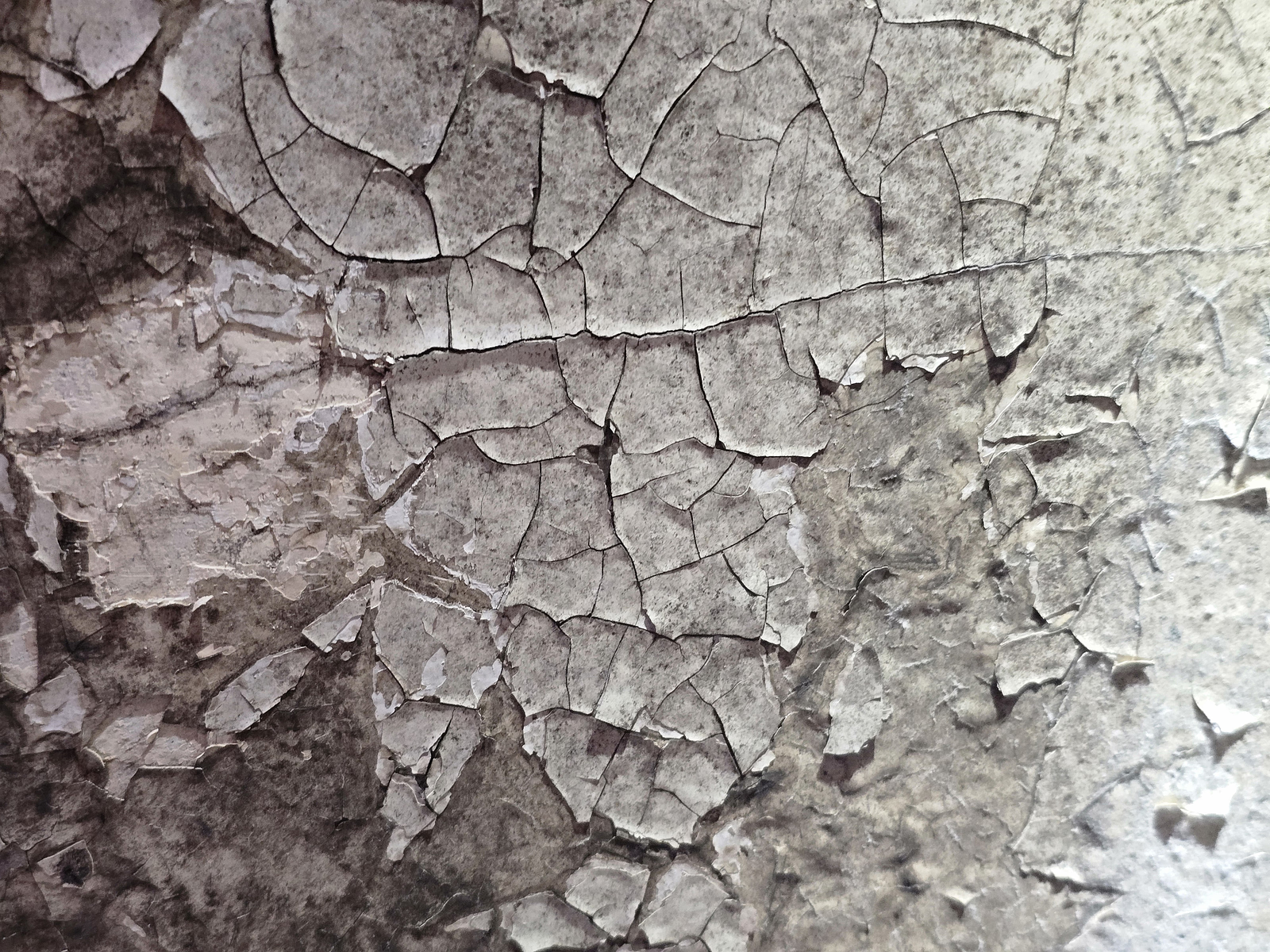
Peeling, cracking, or chipping paint can become a concern when older paint may contain lead.
Deteriorating surfaces should be evaluated before scraping, sanding, or other activities that could generate dust.
Visible Dust From Deteriorating Building Materials
Dust around damaged painted surfaces can indicate that materials are breaking down.
When older paint is involved, testing can help determine whether lead may be contributing to the concern.
Recent Renovation or Remodeling Work
Renovation can disturb older paint, windows, doors, walls, and other materials.
If previous work was completed without lead assessment, testing may help determine whether suspect materials contain lead.
Aging Plumbing or Potential Lead Pipes
Some older plumbing components may contain lead.
When there are concerns about drinking water or older plumbing systems, appropriate water or plumbing-related testing can provide additional information.
Contaminated Soil Around the Property
Lead can also occur in soil. Testing may be appropriate when property owners have concerns about soil conditions or potential historical sources of contamination.
Previous Lead Concerns or Unknown Property History
Unknown renovation records or previous lead concerns can make it difficult to understand the property’s environmental history.
Professional testing can provide property-specific information when documentation is limited.
Sign | Why Testing May Help |
|---|---|
Peeling or chipping paint | May indicate deteriorating lead-based paint |
Older property | May contain older lead-based materials |
Recent renovation | May have disturbed painted surfaces |
Aging plumbing | May contain lead components |
Unknown property history | Material composition may be uncertain |
Which Areas and Materials May Require Lead Paint Testing?
Lead paint testing should focus on areas where older painted materials are present or where renovation and regular use may disturb surfaces.
The appropriate scope depends on the property’s age, condition, history, and planned activities.
Interior Walls, Doors, and Window Frames
Older walls, doors, trim, and window frames may contain multiple layers of paint.
These surfaces can be especially important when paint is deteriorating or renovation is planned.
Exterior Paint and Siding
Exterior siding, trim, windows, and doors may contain older layers of paint.
Weather exposure can also contribute to deterioration, making these surfaces worth considering during an assessment.
Porches, Stairs, and Other Painted Surfaces
Porches, stairs, railings, and similar areas often experience repeated wear.
Testing can help determine whether older painted surfaces contain lead before repair or replacement work begins.
Painted Surfaces That Are Frequently Used or Disturbed
Doors, windows, cabinets, and railings can experience friction and repeated contact.
If older paint is present, professional testing can help identify whether lead-based paint may be involved.
How Can Renovation Increase the Risk of Lead Exposure?
Renovation can disturb painted surfaces that may otherwise remain intact. The type of work and condition of the materials influence the potential risk.
Before starting work on older painted surfaces, property owners and contractors should determine whether lead may be present.
Sanding, Scraping, and Cutting Painted Materials
These activities can generate dust from painted surfaces.
If lead-based paint is present, appropriate testing and work practices can help reduce unnecessary disturbance.
Demolition and Structural Repairs
Removing walls, windows, doors, ceilings, or other components may disturb several layers of older materials.
Testing can help identify potential lead hazards before demolition begins.
Managing Lead-Containing Dust During Renovation
Dust management is important when lead-based paint may be present.
Appropriate containment, cleaning, worker protection, and other practices should be selected according to the project and applicable requirements.
Who Should Consider a Lead Testing Service?
Lead testing can be useful for homeowners, buyers, landlords, property managers, and contractors.
The need for testing depends on the property’s age, condition, history, and planned work.
Homeowners of Older Properties
Homeowners may consider testing when older paint is deteriorating or when major renovation is planned.
Property Buyers Before Purchase or Renovation
Testing can provide additional information during property due diligence, particularly for older properties.
Landlords and Property Managers
Testing can help property managers understand potential lead hazards and make informed maintenance decisions.
Commercial Property Owners and Contractors
Commercial renovation can disturb large areas of painted materials.
Professional testing can help identify potential concerns before construction begins.
What Happens During Professional Lead Testing?
Professional testing focuses on identifying potential lead sources and providing reliable information about specific materials.
The process can vary depending on the property and purpose of the inspection.
Identifying Potential Sources of Lead
The inspector evaluates areas and materials that may require testing.
Potential sources can include painted surfaces, dust, soil, and certain plumbing components.
Collecting Samples From Suspect Materials
Appropriate samples may be collected from selected materials.
Samples can then be submitted for laboratory analysis to determine whether lead is present.
Laboratory Analysis and Test Results
Laboratory testing provides information about the composition of sampled materials.
These results are more reliable than attempting to identify lead through appearance alone.
Understanding the Inspection Report
The report should explain the areas inspected, samples collected, laboratory findings, and relevant recommendations.
Clear documentation helps property owners understand what was tested and what the results mean.
Why Choose Professional Lead Testing Over Guessing?
Lead cannot reliably be identified based only on paint color, texture, or appearance.
Professional testing provides documented information that can support renovation, maintenance, and property decisions.
Visual Inspection Cannot Confirm Lead
A visual inspection can identify suspect materials, but it cannot confirm lead content.
Laboratory analysis may be required to determine whether a material contains lead.
Testing Helps Identify Specific Lead Hazards
Testing can identify lead in specific materials or locations.
This allows property owners to focus attention on areas that may require further action.
Professional Results Can Support Safer Property Decisions
Documented results can help property owners plan repairs, renovation, maintenance, or property transactions with greater confidence.
When Should You Schedule a Lead Inspection in Los Angeles?
Lead testing may be particularly useful before activities that could disturb older materials.
Property owners should consider the property’s condition, history, and planned work when deciding whether testing is appropriate.
Before Buying or Selling an Older Property
Testing can provide useful environmental information during a property transaction.
Before Major Renovation Projects
Renovation may disturb older painted surfaces, making testing useful before construction begins.
When Paint or Building Materials Are Deteriorating
Deteriorating materials may create dust and debris.
Testing can help determine whether lead-based paint is involved.
When Property History Is Unknown
When renovation and material records are unavailable, testing can provide more specific information about potential lead hazards.
How Can Fun Guy Inspection & Consulting, Inc. Help?
Fun Guy Inspection & Consulting, Inc. provides environmental inspection and testing services for properties with potential environmental concerns.
Comprehensive Lead Inspection Los Angeles Services
A professional assessment can focus on areas relevant to the property’s condition and the client’s concerns.
Professional Testing of Potential Lead Sources
Suspect materials can be sampled when appropriate and analyzed by a laboratory.
Clear Results and Guidance for Property Owners
Clear reporting can help homeowners, property managers, buyers, and contractors understand the findings and determine appropriate next steps.
If you are searching for lead sampling services near me, professional testing can provide property-specific information before renovation or maintenance work.
Conclusion: Identify Potential Lead Hazards With Professional Testing
Lead hazards are not always visible. Deteriorating paint, older building materials, renovation activity, aging plumbing, and unknown property history can all indicate that professional testing may be worthwhile.
Testing can provide reliable information about suspect materials and help property owners make informed decisions before renovation, repairs, or property transactions.
For professional environmental assessment and lead testing assistance, Fun Guy Inspection & Consulting, Inc. can help identify potential lead concerns and provide clear testing information for property owners.