
Understanding the Risk of Hidden Mold in HVAC Systems
Heating, ventilation, and air conditioning systems play an important role in maintaining indoor comfort and air quality in residential and commercial properties. However, these systems can also create conditions that allow mold to develop in concealed areas when moisture, organic material, and suitable temperatures are present. In Los Angeles, changing temperatures, coastal humidity, plumbing leaks, and condensation around cooling equipment can contribute to moisture problems inside HVAC systems. Mold growth may remain hidden behind air vents, inside ductwork, around evaporator coils, and within air handler compartments for extended periods. Property owners may not notice a problem until they experience musty odours, visible discoloration, or recurring moisture issues. Identifying these concealed concerns during a professional property inspection can help prevent minor moisture problems from developing into more extensive building maintenance concerns.
Why HVAC Systems Are Vulnerable to Mold Growth
HVAC systems continuously circulate air throughout a property, passing through components that can accumulate dust, dirt, and other organic particles. When moisture enters these areas, the combination can create suitable conditions for mold development. Condensation is one of the most common contributing factors, particularly around evaporator coils, drain pans, refrigerant lines, and poorly insulated ductwork. Blocked condensate drains can also cause standing water to collect inside air conditioning equipment, increasing the likelihood of microbial growth. Properties with inadequate ventilation, neglected HVAC maintenance, or previous water damage may have additional areas of concern. During property inspections, we consider these conditions because identifying moisture sources is just as important as recognising visible signs of potential mold growth.
Common Locations Where Hidden Mold Develops Inside HVAC Systems
Mold does not always develop in areas that are immediately accessible or visible to property owners. Air conditioning evaporator coils are particularly important inspection points because condensation naturally forms on their surfaces during cooling operations. If dust accumulates or drainage becomes restricted, moisture can remain around the coil assembly and create favourable conditions for microbial growth. Drain pans and condensate lines are other areas that deserve attention because standing water, accumulated debris, and restricted drainage can contribute to persistent moisture. Flexible ducts, duct insulation, supply vents, return air plenums, and air handler cabinets may also require closer examination when moisture problems are suspected. By examining accessible HVAC components and looking for moisture-related indicators, we can help property owners understand whether further investigation is necessary.
Recognising Warning Signs of Mold Inside Air Ducts
Hidden mold inside air ducts can be difficult to identify without examining the affected areas. One potential warning sign is a persistent musty smell that becomes noticeable when the heating or cooling system operates. Property owners may also notice unusual discoloration around supply vents, return grilles, or nearby ceiling surfaces. Excessive condensation, water staining, and visible moisture around duct connections can indicate conditions that deserve further assessment. Dust accumulation alone does not establish that mold is present, and a musty odour does not independently confirm contamination. During a professional inspection, we evaluate these observations alongside the property’s moisture history, ventilation conditions, and accessible HVAC components to determine whether additional mold investigation is appropriate.
How Condensation Contributes to Hidden HVAC Mold Problems
Condensation occurs when warm, moisture-containing air comes into contact with a sufficiently cold surface. In HVAC systems, this commonly happens around cooling coils, refrigerant lines, and ductwork carrying conditioned air through warmer spaces. When insulation is damaged, missing, or improperly installed, surrounding surfaces may become cold enough to attract moisture from the air. Over time, repeated condensation can create damp conditions around duct insulation, ceiling cavities, and other concealed building materials. Poor drainage and inadequate airflow can make these problems more difficult to manage because moisture may remain in affected areas for extended periods. Identifying the underlying condensation issue during a property inspection is essential because addressing visible mold without correcting the moisture source may allow the problem to return.
The Importance of Inspecting HVAC Filters and Air Handling Units
HVAC filters help capture airborne particles before they circulate through the ventilation system, but neglected filters can reduce airflow and affect overall system performance. Although dirty filters do not automatically indicate mold contamination, they can contribute to conditions that make moisture management more difficult. Air handling units also contain several components that may experience condensation, including cooling coils, drain pans, and internal cabinet surfaces. During an inspection, these areas should be assessed for visible moisture, accumulated debris, water staining, and other indicators of possible microbial growth. The condition of the filter housing, surrounding insulation, and condensate drainage arrangement can provide useful information about the system’s maintenance history. We pay attention to these details because an HVAC system should be evaluated as part of the property’s overall moisture and indoor environmental conditions.
Why Hidden HVAC Mold Matters During Property Inspections in Los Angeles
Los Angeles has a diverse range of residential and commercial properties, from older buildings with ageing ventilation systems to modern homes with central air conditioning. Each property can present different inspection challenges depending on its construction materials, HVAC design, maintenance history, and previous exposure to moisture. Coastal communities may experience different humidity conditions from inland neighbourhoods, while older buildings may have deteriorating insulation, outdated ductwork, or drainage concerns. Property inspections should therefore consider the local environment and the individual characteristics of each building rather than relying on a standard visual assessment alone. Undetected moisture problems can contribute to deterioration of building materials and may affect indoor environmental conditions. A thorough inspection can help buyers, sellers, landlords, and property managers identify potential concerns before making important property decisions.
Professional Techniques for Detecting Concealed Mold and Moisture
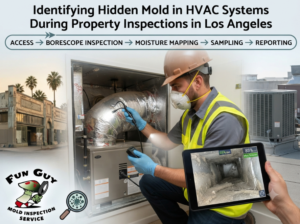
Identifying hidden mold requires more than simply looking at visible surfaces around air vents. A professional inspection may involve examining accessible HVAC components, checking areas with visible moisture indicators, and evaluating locations where condensation or previous water intrusion has occurred. Moisture meters can help assess the moisture content of suitable building materials when there is a reason to investigate a particular area. Thermal imaging may also help identify temperature differences associated with suspected moisture conditions, although it cannot independently confirm the presence of mold. When appropriate, targeted sampling may be recommended to help investigate suspected contamination, depending on the inspection findings and the specific questions being addressed. At Fun Guy Inspections, we focus on evaluating the available evidence and identifying areas that may require additional attention rather than making assumptions based on isolated warning signs.
The Role of Mold Testing in HVAC-Related Property Concerns
Mold testing may be useful when an inspection identifies suspicious conditions that cannot be adequately evaluated through visual observation alone. Depending on the circumstances, an inspector may recommend targeted surface sampling or air sampling to investigate specific concerns. Surface sampling can help assess suspected visible growth, while air sampling may provide information about airborne fungal particles under the conditions present during testing. However, no single sampling method can establish the complete mold condition of an entire HVAC system or property. Sampling results must be interpreted alongside the inspection findings, moisture conditions, building history, and potential sources of contamination. Property owners should also understand that mold testing is not automatically necessary in every situation, particularly when the moisture source and affected materials are already clearly identifiable.
How HVAC Maintenance Helps Reduce the Risk of Mold Growth
Preventive HVAC maintenance can help reduce the conditions that contribute to mold development inside ventilation systems. Regular filter replacement helps maintain appropriate airflow, while cleaning and servicing cooling coils can reduce the accumulation of dust and debris. Condensate drain lines and drain pans should also be inspected periodically to ensure that water can move away from the system without unnecessary obstruction. Proper insulation around refrigerant lines and ductwork can help minimise unwanted condensation, especially in areas exposed to warmer surrounding air. Property owners should also address roof leaks, plumbing problems, and ventilation deficiencies that could introduce additional moisture into building cavities. Although routine maintenance cannot guarantee that mold will never develop, it can significantly improve moisture management and help identify developing problems before they become more extensive.
What Buyers Should Know About HVAC Mold During a Property Purchase
When purchasing a property in Los Angeles, buyers should pay attention to the condition of the HVAC system as well as the visible condition of walls, ceilings, floors, and other interior surfaces. A property may appear well maintained while concealed moisture problems remain inside ductwork, air handling equipment, or nearby building cavities. Buyers should ask about previous water damage, HVAC servicing, drain line blockages, and any past mold remediation work. Unusual odours when the air conditioning operates, visible staining around vents, and recurring condensation should be treated as reasons for further investigation. A general property inspection may identify concerns that justify a more specialised HVAC or mold assessment, depending on accessibility and the scope of the inspection. Understanding these issues before completing a purchase can help buyers make better-informed decisions and plan for any necessary maintenance or corrective work.
Why Sellers and Property Managers Should Investigate HVAC Mold Concerns
Sellers and property managers also benefit from identifying possible mold and moisture problems before they become larger maintenance issues. HVAC systems are frequently overlooked because their internal components are not always visible during ordinary property maintenance. However, unresolved drainage problems, damaged insulation, and persistent condensation can contribute to recurring moisture conditions. Addressing these issues early can help property owners avoid unnecessary damage to surrounding materials and reduce the likelihood of repeated maintenance complaints. Property managers should pay attention to tenant reports involving persistent musty odours, visible moisture, or unusual conditions when the air conditioning is running. A professional assessment can help establish whether the concern involves HVAC maintenance, water intrusion, suspected mold growth, or a combination of contributing factors.
What Happens After Hidden Mold Is Identified?
Once suspected mold or moisture damage is identified, the next step should be determining the extent of the affected area and locating the underlying moisture source. Depending on the inspection findings, this may require further evaluation of ductwork, insulation, condensate drainage, cooling equipment, or surrounding building materials. Cleaning visible surfaces without addressing the source of moisture is unlikely to provide a lasting solution when the underlying conditions remain unchanged. Porous materials with extensive mold contamination may require removal and replacement, while affected HVAC components may need specialised cleaning or professional servicing. Significant contamination or extensive concealed growth may warrant assessment by a qualified mold remediation professional who can determine the appropriate corrective approach. Proper documentation of the inspection findings can also help property owners, buyers, and contractors understand the concerns and decide on suitable next steps.
Protecting Indoor Environments Through Thorough Property Inspections
HVAC systems are an important part of a property’s indoor environment, and their condition should never be overlooked when investigating potential mold problems. Hidden growth can develop around cooling components, inside ductwork, near condensate drainage systems, and within other areas exposed to persistent moisture. Recognising the warning signs and understanding how condensation, poor drainage, and inadequate maintenance contribute to these conditions can help property owners take timely action. A professional inspection provides an opportunity to identify visible concerns, investigate suspicious moisture conditions, and determine whether additional testing or specialised evaluation is appropriate. Whether you are purchasing a home, preparing a property for sale, managing a rental building, or investigating an ongoing indoor air quality concern, understanding the condition of your HVAC system is an important part of responsible property maintenance. We encourage property owners to address unexplained musty odours, recurring moisture, and visible signs of possible mold rather than allowing these concerns to go uninvestigated.
Schedule a Professional Mold Inspection in Los Angeles
If you suspect hidden mold inside your HVAC system, arranging a professional inspection can help you understand the condition of your property and identify areas that may need further attention. At Fun Guy Inspections, we understand the importance of investigating moisture concerns carefully and providing property owners with useful information about potential mold-related issues. Whether you are dealing with unexplained odours, previous water damage, visible staining, or concerns identified during a real estate transaction, we can help you take the next step towards understanding the problem. Our inspection approach focuses on identifying potential sources of moisture, evaluating accessible areas, and helping clients determine whether additional investigation is necessary. Do not wait until a small moisture concern becomes a more complicated property issue. Contact our team today to discuss your inspection requirements and schedule a professional mold inspection in Los Angeles.