
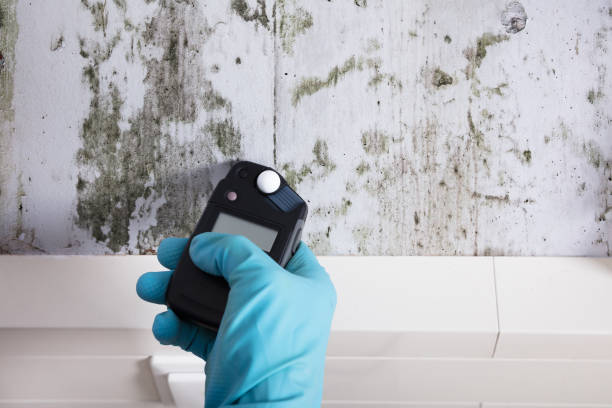
Mold can grow in damp areas of a building without being easy to see. A musty smell, water damage, staining, or ongoing moisture can raise concerns, but these signs do not always show what type of problem exists or how far it extends. Mold testing can provide useful information when visual inspection alone cannot answer those questions.
For property owners and occupants searching for mold testing in Los Angeles, the first step is knowing when testing is actually useful. Testing is not necessary for every situation. A qualified inspector considers moisture conditions, visible growth, building history, and the purpose of the inspection before recommending sampling.
For properties where professional assessment is appropriate, mold testing services can help identify and document mold-related concerns.
What Mold Testing Can Tell You
Mold testing involves collecting samples from the property and having them examined using an appropriate laboratory method. Depending on the inspection, samples may be collected from air, surfaces, or materials.
The purpose is not simply to find a mold spore. Mold spores are common in indoor and outdoor environments. The useful information comes from interpreting the findings alongside the property’s visible conditions, moisture history, and inspection results.
Testing is different from a visual inspection
A visual inspection looks for signs such as:
- Visible mold growth
- Water staining
- Damp materials
- Condensation
- Leaks
- Musty odors
- Areas with poor ventilation
- Moisture-related building damage
Testing can provide additional information when these observations do not fully answer the concern. A professional inspector can determine whether sampling is appropriate based on the conditions found during the inspection.
Situations Where Mold Testing May Be Worthwhile
Not every property needs mold sampling. Testing is generally more useful when there is a specific reason to obtain additional information about possible mold contamination.
Several situations can justify considering professional testing.
There is a persistent musty odor
A musty smell can be associated with mold or damp building materials. Odor alone cannot confirm the presence, location, or extent of mold.
If a property has a persistent odor but no obvious source, testing may provide additional information. An inspector may also investigate hidden areas where moisture could be present, such as wall cavities, under flooring, around plumbing, or near HVAC components.
Water damage has affected building materials
Leaks, flooding, roof problems, plumbing failures, or other water events can leave materials damp for extended periods. Moisture creates conditions that may support mold growth.
Testing can be considered when the extent of contamination is unclear, particularly when affected areas are not fully visible. The inspection should still focus on finding and correcting the moisture source.
Mold is suspected but cannot be clearly identified
Visible discoloration does not automatically mean that a substance is mold. Dust, dirt, staining, or other materials can look similar.
Sampling may help determine whether suspected material contains mold. A professional should decide where and how samples are collected because poor sampling can produce information that is difficult to interpret.
There are concerns about hidden mold
Mold can develop in locations that are not immediately visible. Possible areas include behind walls, above ceilings, beneath flooring, inside insulation, and around HVAC systems.
Testing may be considered when there is evidence of moisture or other conditions that suggest hidden growth. An inspection should avoid unnecessary disturbance of building materials simply to search for mold.
A property has a history of moisture problems
Repeated leaks or long-term humidity problems can create conditions favorable to mold growth. If previous moisture problems were not fully investigated or repaired, a professional inspection may help determine whether further evaluation is appropriate.
The inspection should look beyond mold itself. Identifying the source of moisture is necessary to reduce the chance of continued growth.
When Mold Testing May Not Be Necessary
Testing is not always the best first step. If extensive visible mold is already present, the priority may be identifying the moisture source, documenting the affected areas, and determining appropriate remediation steps.
Likewise, testing does not replace a building inspection. A laboratory result cannot repair a leaking pipe, remove water-damaged materials, or correct excessive indoor humidity.
The following table shows situations where testing may or may not provide useful information.
| Property condition | Is testing potentially useful? | Reason |
| Visible mold with a known source | Sometimes | Inspection and moisture assessment may already establish the problem |
| Musty odor with no visible source | Often | Sampling may provide additional information |
| Recent water damage | Potentially | Testing may help when contamination is uncertain |
| Recurring moisture problems | Potentially | Further evaluation may help identify mold concerns |
| No moisture, odor, staining, or visible growth | Usually less useful | There may be little evidence supporting the need for sampling |
| Suspected hidden mold | Potentially | Sampling may be considered alongside a building inspection |
Why Professional Mold Testing Can Be Useful
Professional testing is more than collecting a sample and sending it to a laboratory. The value of the process depends on selecting suitable sampling locations, documenting conditions, and interpreting the results in context.
A trained inspector can assess the property before deciding whether testing makes sense. This helps prevent unnecessary sampling and keeps the inspection focused on the actual concern.
Sampling should have a clear purpose
A useful inspection starts with a question. The question might relate to an unexplained odor, suspected hidden growth, previous water intrusion, or a need to document conditions before or after a particular property event.
The sampling method should match that purpose. Different types of samples can provide different information, so there is no single test that answers every mold-related question.
Laboratory results need context
A laboratory report may identify the types or concentrations of fungal material detected in a sample. The report should not be viewed separately from the physical inspection.
Outdoor air naturally contains mold spores, and indoor levels can vary for many reasons. Professional interpretation considers the building’s conditions rather than treating one laboratory number as a complete diagnosis of the property.
When to Consider Professional Mold Testing Near You
People often search for professional mold testing near me when they notice an unexplained odor, see suspicious growth, or discover evidence of water damage. The decision to test should be based on the condition of the property and the information the inspection needs to establish.
For property owners in Los Angeles, professional inspection can be useful when the source of a concern is uncertain or when documentation is needed.
You can learn more about inspection and environmental services from professional mold testing near me when evaluating available inspection options.
Testing can support informed property decisions
Mold concerns can affect decisions about maintenance, remediation, renovation, occupancy, or property transactions. A written inspection report and laboratory findings, when sampling is performed, can provide documented information about the conditions evaluated.
Testing should not be ordered simply because mold is possible. It should have a clear purpose and be connected to a specific concern.
What Happens During a Professional Mold Assessment?
The inspection process can vary depending on the property and reason for the assessment. A professional may begin by discussing the property’s history and reviewing signs of moisture or water damage.
The inspector may then examine accessible areas for visible growth, moisture conditions, odors, and other indicators. If sampling is justified, appropriate samples may be collected and submitted for laboratory analysis.
Common stages of an assessment
| Stage | What may happen |
| Initial discussion | Property history, odors, leaks, water damage, and concerns are reviewed |
| Visual inspection | Accessible areas are examined for mold and moisture indicators |
| Moisture assessment | Areas with possible water intrusion or dampness may be evaluated |
| Sampling decision | The inspector determines whether sampling can answer a useful question |
| Sample collection | Air, surface, or material samples may be collected when appropriate |
| Laboratory analysis | Samples are examined using the selected laboratory method |
| Report and interpretation | Findings are documented and explained in relation to property conditions |
The exact process depends on the scope of the inspection. Not every assessment requires every type of sample.
How to Prepare for Mold Testing
Good preparation can make an inspection more useful. Property owners should avoid disturbing or cleaning a suspected area immediately before an inspection if doing so could remove evidence that the inspector needs to evaluate.
It can also help to gather information about known leaks, previous water damage, repairs, flooding, or moisture problems.
Information that can help the inspector
Before the appointment, consider documenting:
- Areas where mold is suspected
- Locations with unusual odors
- Previous leaks or flooding
- Repeated condensation
- Plumbing or roof repairs
- Areas with visible staining
- Previous mold-related work
- Rooms with ventilation concerns
- Recent changes in moisture conditions
The goal is to give the inspector enough background to understand why the assessment is being requested.
Choosing a Mold Testing Company
A professional inspection company should be able to explain what the inspection covers, why sampling may be recommended, and how the results will be reported.
Look for clear information about inspection procedures, laboratory analysis, reporting, and the inspector’s experience with environmental concerns. Be cautious of anyone who recommends extensive testing without first considering the property’s actual conditions.
Questions to ask before scheduling
Consider asking:
- What will the inspection evaluate?
- When would you recommend mold sampling?
- What types of samples may be collected?
- Will laboratory analysis be included if samples are taken?
- How will the results be explained?
- Will moisture sources also be considered?
- What will be included in the final report?
Clear answers can help you understand what you are paying for and whether the inspection matches your concern.
The Role of Mold Testing After Water Damage
Water damage does not automatically mean that a property requires mold testing. The timing, duration, affected materials, and moisture conditions all matter.
A professional can assess whether sampling is likely to provide useful information. If materials remain damp or moisture continues to enter the property, addressing those conditions should receive attention alongside any mold assessment.
Testing should support the next decision
A useful mold inspection should leave the property owner with a clearer understanding of what was found and what should happen next.
Depending on the findings, the next step may involve moisture correction, removal of affected materials, further investigation, cleaning, or no additional action. The appropriate response depends on the inspection findings rather than the presence of a single laboratory result.
Frequently Asked Questions
1. When should I consider mold testing?
Mold testing may be worth considering when there is an unexplained musty odor, suspected hidden mold, previous water damage, recurring moisture, or uncertainty about whether a suspected substance is mold. A professional inspection can determine whether sampling is appropriate.
2. Is mold testing necessary if I can already see mold?
Not always. If visible mold is already established, the priority may be determining the moisture source and evaluating the affected area. Testing may still be useful when additional information is needed for a specific property decision.
3. What does professional mold testing include?
Depending on the inspection scope, professional mold testing may include a visual assessment, evaluation of moisture conditions, sample collection, laboratory analysis, and a written report. The exact process depends on the concerns found at the property.
4. How can I find professional mold testing near me?
Look for an inspection company that explains its inspection process, sampling methods, reporting procedures, and qualifications. FunGuy Inspection & Consulting, Inc. provides environmental inspection and testing services for property-related concerns.
5. Can mold testing identify the source of a moisture problem?
Mold testing can provide information about mold or fungal material found in collected samples, but it does not by itself identify or repair a moisture source. A professional assessment should also consider leaks, condensation, humidity, ventilation, and other conditions that may contribute to mold growth.