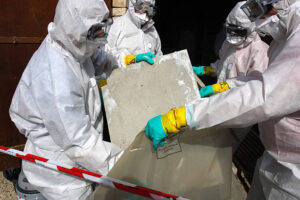
Water damage is one of the most common issues property owners face, but its effects often extend far beyond visible stains or damp flooring. When water penetrates building materials, it can create conditions that allow bacterial contamination to develop, particularly after sewage backups or Category 3 (black water) intrusion.
While many people focus on drying visible surfaces, contamination can remain hidden within drywall, wood, insulation, and other porous materials. Professional bacteria testing helps determine whether these building materials have been affected and whether additional remediation is necessary before repairs begin.
Understanding how water damage affects building materials and why professional testing is important can help homeowners and property managers make informed decisions that protect both their investment and indoor environments.
Why Water Damage Is More Than a Surface Problem
Water doesn’t simply remain where you can see it. Once it enters a building, it naturally spreads through porous construction materials.
Depending on the source of the water and how quickly it is addressed, moisture can travel into:
- Drywall
- Wood framing
- Ceiling cavities
- Insulation
- Carpet padding
- Subflooring
- Baseboards
- Grout and tile assemblies
Although surfaces may appear dry after a few days, moisture can remain trapped inside these materials, increasing the likelihood of contamination.
How Water Damage Can Lead to Bacterial Contamination
Not every water loss creates the same level of risk. The possibility of bacterial contamination depends largely on the source of the water, the length of exposure, and the condition of the affected materials.
Clean Water Incidents
Water from a broken supply line may initially present a lower contamination risk. However, if moisture remains trapped for an extended period, building materials may still require evaluation before restoration.
Floodwater
Floodwater often carries soil, debris, and other contaminants from outside the property. Once these materials enter a building, they can affect flooring, drywall, insulation, and structural components.
Sewage Backups
Sewage backups present one of the highest contamination risks because the water may contain harmful bacteria. In these situations, professional bacteria testing helps determine whether building materials have been affected.
Category 3 Water Damage
Category 3 water, often called black water, originates from highly contaminated sources such as sewage systems or floodwater. Building materials exposed to Category 3 water typically require professional assessment before they can be considered safe for continued use.
Which Building Materials Are Most Vulnerable?
Some materials absorb and retain moisture more readily than others, making them more susceptible to contamination.
| Building Material | Why It Is Vulnerable |
|---|---|
| Drywall | Highly porous and absorbs water quickly |
| Carpet Padding | Retains moisture beneath the carpet |
| Insulation | Difficult to dry once saturated |
| Wood Framing | Can absorb moisture deep below the surface |
| Ceiling Tiles | Easily damaged by roof or plumbing leaks |
| Grout | May retain moisture in tiled areas |
| Subflooring | Hidden moisture may remain beneath finished flooring |
The longer these materials remain wet, the more difficult restoration can become.
Common Misconceptions About Water Damage
Many property owners assume that once the visible water is gone, the problem has been resolved. Unfortunately, water damage is not always that simple.
“The Floor Feels Dry, So Everything Is Fine”
Surface drying does not always mean the materials underneath are dry. Moisture can remain trapped beneath flooring or inside walls.
“A Little Bleach Solves the Problem”
Cleaning products may disinfect accessible surfaces, but they cannot confirm whether contamination remains inside building materials.
“No Odor Means No Contamination”
Some contaminated materials produce noticeable odors, while others show very few visible or noticeable signs. Laboratory testing provides a more reliable assessment than relying on smell alone.
“Painting Over Water Stains Fixes the Damage”
Painting may improve appearance, but it does not address moisture or contamination within the underlying materials.
What Do Professionals Actually Test?
One of the biggest misconceptions is that bacteria testing involves routine indoor air sampling. In most post-water-damage investigations, professionals focus on building materials, where contamination is most likely to be found.
Professional bacteria testing may include:
- Surface swab sampling
- Bulk material sampling
- Moisture assessment
- Visual inspection of affected materials
- Laboratory analysis of collected samples
These methods help determine whether bacterial contamination is present and whether remediation or material replacement is necessary.
Common Indicator Bacteria Evaluated During Testing
Following sewage contamination or Category 3 water intrusion, laboratory analysis may include testing for indicator bacteria that help assess contamination.
| Indicator Bacteria | Purpose of Testing |
|---|---|
| Enterococcus | Indicates possible fecal contamination. |
| Escherichia coli (E. coli) | Common indicator associated with sewage contamination. |
| Total Coliforms | Helps determine whether bacterial contamination may be present. |
The bacteria analyzed will depend on the circumstances of the water damage and the inspection objectives.
When Should Building Materials Be Professionally Evaluated?
Professional bacteria testing may be appropriate whenever contamination cannot be ruled out through visual inspection alone.
Consider scheduling an inspection after:
- Sewage backups
- Category 3 water intrusion
- Flood damage
- Toilet overflows involving contaminated water
- Long-term plumbing leaks
- Water-damaged drywall or insulation
- Persistent moisture behind walls
- Restoration projects following black water events
Prompt evaluation helps restoration professionals determine the most appropriate next steps.
Professional Testing vs. Visual Inspection
Many people rely on appearance when evaluating water damage. However, contamination cannot always be confirmed without laboratory analysis.
| Visual Observation | Professional Assessment |
|---|---|
| Surface appears dry | Moisture levels are measured using specialized equipment. |
| No obvious staining | Hidden building materials are evaluated where necessary. |
| No noticeable odor | Laboratory testing determines whether contamination is present. |
| Materials look intact | Sampling confirms whether bacterial contamination exists. |
Professional testing removes uncertainty and provides objective information for restoration decisions.
Steps Property Owners Can Take After Water Damage
While professional assistance may be necessary in many situations, taking prompt action can help minimize damage.
Recommended Actions
Stop the source of the water if it is safe to do so.
- Remove standing water as quickly as possible.
- Begin drying affected areas immediately.
- Avoid disturbing materials affected by sewage contamination.
- Document visible damage for insurance purposes.
- Arrange for professional inspection if contamination is suspected.
- Replace materials that cannot be effectively cleaned or restored.
- Monitor repaired areas for recurring moisture issues.
- Acting quickly often reduces restoration costs and helps prevent additional damage.
Protect Your Property with Professional Bacteria Testing
Water damage is not always limited to what you can see on the surface. Following flooding, sewage backup, or Category 3 water intrusion, building materials may remain contaminated even after they appear dry.
Fun Guy Inspection & Consulting, Inc. provides professional bacteria testing to evaluate water-damaged building materials and determine whether bacterial contamination is present. Using industry-recognized inspection procedures and laboratory analysis, the team helps property owners make informed decisions about cleaning, remediation, and restoration.
Whether you’re addressing a recent water loss or verifying the success of remediation efforts, professional bacteria testing provides the confidence needed to move forward safely.
Contact Fun Guy Inspection & Consulting, Inc. today to schedule a professional bacteria inspection and protect your property from hidden contamination.
Final Thoughts
Water damage affects far more than the visible surfaces inside a property. Moisture can penetrate deep into building materials, creating conditions where bacterial contamination may develop, particularly following sewage backups or Category 3 water intrusion.
Because contamination is often hidden from view, professional bacteria testing plays an important role in evaluating affected materials and supporting informed restoration decisions. By responding quickly and working with experienced professionals, property owners can reduce uncertainty and help ensure their buildings are restored safely.
Frequently Asked Questions (FAQs)
1. Can water damage contaminate building materials?
Yes. Water can penetrate porous materials such as drywall, insulation, wood, and flooring. Depending on the source of the water and how long materials remain wet, bacterial contamination may occur.
2. Does every water leak require bacteria testing?
Not necessarily. The need for testing depends on factors such as the water source, the extent of the damage, and whether contamination is suspected.
3. Why are drywall and insulation commonly inspected after water damage?
Both materials readily absorb moisture, making them more difficult to dry completely and more susceptible to contamination.
4. What types of bacteria are commonly evaluated?
Depending on the situation, laboratories may analyze samples for Enterococcus, Escherichia coli (E. coli), and Total Coliforms.
5. Is bacteria testing performed on indoor air?
Traditionally, bacteria testing focuses on surface and bulk samples collected from water-damaged building materials, rather than routine indoor air sampling.
6. What is Category 3 water?
Category 3 water, often referred to as black water, originates from heavily contaminated sources such as sewage systems or floodwater and requires professional handling.
7. Can contamination remain after materials appear dry?
Yes. Moisture and contamination may remain inside porous building materials even when surfaces appear dry.
8. Why is laboratory testing important?
Laboratory analysis helps determine whether bacterial contamination is present and supports informed restoration decisions.
9. What should I do after a sewage backup?
Avoid contact with contaminated materials, arrange for professional cleanup, and consider bacteria testing to evaluate affected building materials.
10. Who should I contact for professional bacteria testing?
If your property has experienced sewage backup, flooding, or Category 3 water intrusion, contact Fun Guy Inspection & Consulting, Inc. for professional bacteria testing and expert guidance.