
Mold Testing in Sherman Oaks: How to Detect Mold Before It Spreads
Mold growth is one of the most overlooked issues homeowners face in Southern California. In areas like Sherman Oaks, where seasonal humidity, plumbing leaks, roof issues, and hidden moisture problems are common, mold can begin spreading long before visible signs appear. By the time property owners notice discoloration on walls or smell a musty odor, the contamination may already be affecting indoor air quality and structural materials.
At Fun Guy Inspections, we help homeowners, landlords, and property managers identify mold problems early through professional mold testing and inspection services. Early detection is critical because mold spreads quickly in damp environments and can become far more expensive to remediate when left untreated.
Why Mold Is Common in Sherman Oaks Homes
Sherman Oaks properties experience a combination of environmental and structural conditions that can contribute to mold growth. Older homes may have aging plumbing systems, outdated ventilation, or hidden leaks behind walls and under flooring. Even newer homes can develop moisture issues from HVAC condensation, roof leaks, or improperly sealed windows.
Because mold thrives in dark, damp, and poorly ventilated spaces, it often develops in areas homeowners rarely inspect. Bathrooms, attics, crawl spaces, laundry rooms, kitchens, and inside drywall cavities are among the most common problem areas we encounter during inspections.
Another challenge is that mold does not always remain visible. In many cases, airborne mold spores circulate through the property before any visible colonies appear. This is why professional mold testing is essential when unexplained odors, allergy symptoms, or water damage are present.
Early Warning Signs of Mold Growth
One of the most important parts of preventing widespread mold contamination is recognizing the early warning signs. Mold often gives subtle clues before it becomes a serious issue.
A persistent musty smell is one of the first indicators. Even when surfaces appear clean, hidden mold behind walls or beneath flooring can produce a damp, earthy odor. If the smell becomes stronger during humid weather or after running air conditioning systems, moisture may already be trapped inside building materials.
Water stains on ceilings, bubbling paint, warped drywall, or discoloration around windows can also indicate hidden moisture intrusion. Small plumbing leaks beneath sinks or around appliances frequently create conditions for mold growth without being immediately noticed.
Health symptoms may also point to indoor mold exposure. Many people experience coughing, congestion, headaches, sneezing, itchy eyes, or respiratory irritation in contaminated environments. When symptoms improve after leaving the property, mold testing should be considered.
How Mold Spreads Inside a Property
Mold reproduces through microscopic spores that travel through the air. Once spores land on damp organic materials such as drywall, wood, insulation, or carpeting, colonies can begin growing within 24 to 48 hours.
What starts as a minor moisture problem can quickly spread throughout a structure if conditions remain favorable. HVAC systems can circulate spores into multiple rooms, while hidden leaks behind walls allow mold to expand unnoticed for months.
This is why immediate testing after water damage is so important. Even if surfaces appear dry, residual moisture may still exist inside structural materials. Without proper inspection and testing, mold growth can continue behind the scenes long after the original water issue seems resolved.
The Importance of Professional Mold Testing
Many homeowners assume they can identify mold on their own, but visual inspections alone rarely reveal the full extent of contamination. Professional mold testing provides a more accurate understanding of indoor air quality and hidden mold activity.
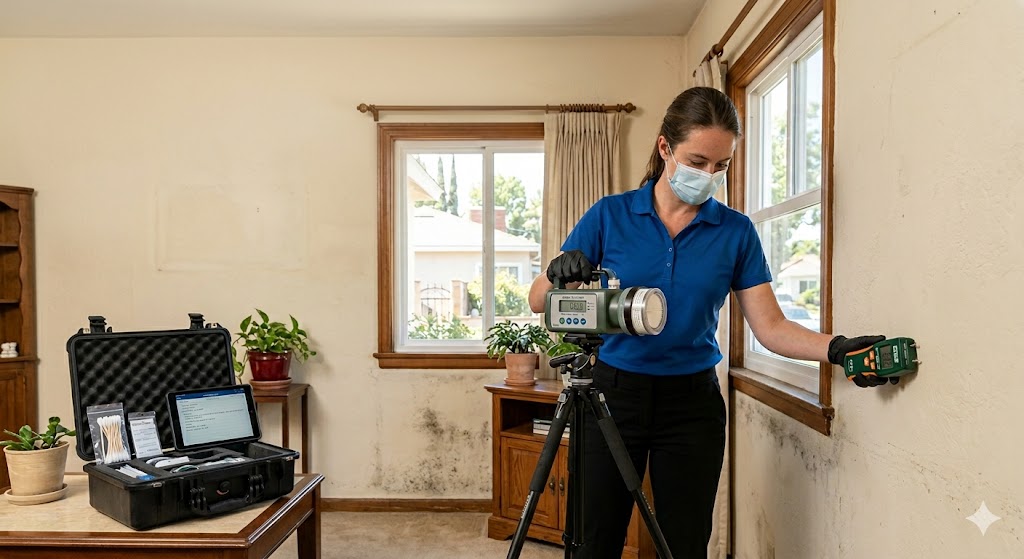
At Fun Guy Inspections, we use specialized tools and testing methods to identify moisture sources and detect elevated mold spore levels inside the property. Our process may include moisture mapping, thermal imaging, air sampling, and surface testing depending on the conditions present.
Air sampling helps determine whether airborne mold spore concentrations inside the property are higher than normal outdoor levels. Surface samples can identify the specific types of mold growing on materials. Moisture meters and infrared technology allow us to locate hidden moisture behind walls and ceilings without unnecessary damage to the property.
Professional testing not only confirms whether mold is present, but also helps determine the severity and source of the problem so proper remediation can take place.
Common Causes of Hidden Mold
One reason mold becomes such a major issue is that many moisture problems remain hidden for extended periods. Some of the most common causes we discover during inspections include slow plumbing leaks, roof damage, poor attic ventilation, HVAC condensation, appliance leaks, and slab moisture intrusion.
Bathroom exhaust systems that do not vent properly can trap humidity inside walls and ceilings. Air conditioning systems may also create condensation buildup inside ductwork or around vents. In some cases, homeowners are unaware of a previous water leak that was improperly repaired years earlier.
Even minor moisture exposure can support mold growth if conditions remain damp over time. Since mold often develops behind surfaces, property owners may not realize there is an issue until contamination becomes widespread.
Why Fast Action Matters
The longer mold remains untreated, the more difficult and costly remediation can become. Small affected areas may eventually require extensive drywall removal, flooring replacement, insulation disposal, or structural repairs if moisture issues persist.
In addition to property damage, prolonged mold exposure can negatively impact indoor air quality and occupant comfort. Families with children, elderly residents, or individuals with respiratory sensitivities may be especially affected.
Prompt mold testing allows us to identify problems early before contamination spreads further throughout the home. Early intervention often reduces remediation costs and helps prevent long term structural damage.
What to Expect During a Mold Inspection
A professional mold inspection typically begins with a detailed evaluation of the property and discussion of any known water damage, odors, or health concerns. We inspect visible areas for signs of moisture intrusion while also checking hidden problem zones that commonly develop mold.
Depending on the situation, we may perform air quality testing, collect surface samples, or use thermal imaging equipment to locate concealed moisture. After testing is complete, laboratory analysis provides detailed information about mold spore concentrations and contamination levels.
Our goal is to provide clear, accurate findings so property owners understand the source of the issue and the next steps needed to address it.
Preventing Mold Growth in Your Home
While not every mold issue can be avoided, homeowners can significantly reduce risk by controlling moisture and addressing water problems quickly. Prompt leak repairs, proper ventilation, humidity control, and regular property maintenance all play an important role in prevention.
Bathrooms and kitchens should be ventilated properly to reduce humidity buildup. Roof leaks and plumbing issues should never be ignored, even if they appear minor. HVAC systems should also be inspected regularly to prevent condensation problems and poor airflow.
If flooding or water intrusion occurs, affected materials should be dried thoroughly within the first 24 to 48 hours whenever possible.
Schedule Professional Mold Testing in Sherman Oaks
If you notice musty odors, unexplained allergy symptoms, water stains, or signs of moisture inside your property, professional mold testing can help identify problems before they worsen.
At Fun Guy Inspections, we provide thorough mold inspections and testing services for homeowners and property managers throughout Sherman Oaks and surrounding areas. Our team focuses on accurate detection, clear reporting, and helping clients protect their indoor environments from hidden mold contamination.
Early detection is the key to preventing widespread mold damage. A professional inspection today can help you avoid larger repair costs and indoor air quality issues in the future.