
Mold can return after cleaning when the conditions that allowed it to grow have not been corrected. Removing visible mold may improve the appearance of a surface, but moisture, humidity, leaks, or hidden water intrusion can continue supporting new growth.
For property owners dealing with recurring mold, understanding the underlying moisture problem is often more important than repeatedly cleaning the same area. Professional mold removal services can help identify contributing conditions and determine an appropriate approach for addressing recurring mold.
Why Does Mold Keep Coming Back After Cleaning?
Mold requires moisture and a suitable environment to grow. When these conditions remain after cleaning, mold can reappear.
A recurring problem may indicate that the visible growth is only part of a larger moisture issue. Identifying and correcting the source is essential for long-term mold control.
Mold Growth Often Indicates an Ongoing Moisture Problem
Mold commonly develops where moisture remains present for extended periods. Leaks, condensation, flooding, and elevated humidity can create favorable conditions for fungal growth.
If moisture continues entering or accumulating in a building, cleaning the visible mold may provide only a temporary improvement. The area can become susceptible to new growth when conditions remain favorable.
Cleaning Mold Does Not Remove the Underlying Cause
Cleaning addresses the mold that is already present, but it does not necessarily correct the condition that caused it.
If a plumbing leak continues behind a wall or condensation repeatedly forms on a surface, mold can return after the affected area has been cleaned. A complete approach should therefore consider both mold removal and moisture control.
What Causes Recurring Mold in a Home?
Recurring mold can have several causes, and the source is not always visible. Water can travel through building materials and collect in concealed areas.
A careful inspection can help determine whether the problem is related to plumbing, roofing, humidity, ventilation, or another moisture condition. Finding the source allows property owners to focus on prevention instead of repeated surface cleaning.
Hidden Plumbing Leaks
Leaks from supply lines, drainpipes, fixtures, or appliances can introduce moisture into walls, cabinets, ceilings, and floors.
A small leak may remain unnoticed for some time, particularly when it occurs inside a wall or beneath a finished surface. Persistent moisture can create conditions that support recurring mold.
Roof Leaks and Water Intrusion
Damaged roofing, flashing, windows, exterior walls, or drainage systems can allow water to enter a building.
Water intrusion may affect insulation, drywall, wood, and other materials. If these areas remain damp, mold can develop or return after previous cleaning.
High Indoor Humidity and Condensation
Excessive indoor humidity can create moisture on walls, windows, pipes, and other cooler surfaces.
Bathrooms, kitchens, laundry areas, and poorly conditioned rooms can be particularly susceptible to condensation. Maintaining appropriate indoor humidity can help reduce conditions that support mold growth.
Poor Ventilation in Damp Areas
Bathrooms and kitchens generate significant amounts of moisture during normal use.
Without adequate ventilation, moisture can remain in the air and settle on surfaces. Over time, repeated exposure to damp conditions can contribute to mold growth.
How Does a Moisture Source Lead to Mold Recurrence?
Moisture is one of the central factors behind indoor mold growth. Removing visible mold without controlling moisture leaves the conditions that support fungal growth in place.
Understanding the relationship between water and mold can help explain why repeated cleaning may not provide a lasting solution.
Why Mold Needs Moisture to Grow
Mold requires moisture, an appropriate food source, and suitable environmental conditions to grow.
Building materials such as drywall, wood, paper products, and other organic materials can provide sources of nutrients. When these materials remain damp, they can become favorable environments for mold growth.
How Unresolved Water Problems Support New Mold Growth
An unresolved leak can continuously introduce moisture into building materials.
Even if visible mold is removed, remaining dampness can allow new growth to develop. Recurring mold should therefore prompt an investigation into whether moisture is still entering or accumulating in the affected area.
Why Drying and Moisture Control Matter After Cleaning
Drying affected materials and correcting the source of moisture are important parts of mold prevention.
The U.S. Environmental Protection Agency recommends controlling moisture to help prevent mold and advises drying wet materials promptly.
Without effective moisture control, mold can return regardless of how thoroughly a surface was previously cleaned.
Can Water Intrusion Cause Mold to Return?
Yes. Water intrusion is a common reason mold may return after cleaning.
Water can enter through roofs, windows, foundations, plumbing systems, or other parts of a building. If the source is not identified and corrected, affected materials may remain vulnerable to recurring mold.
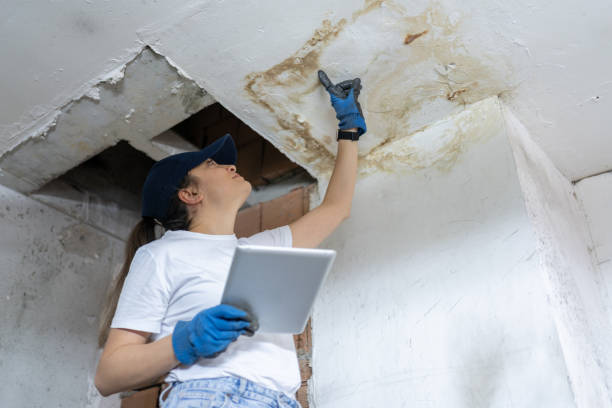
Signs of Water Intrusion Behind Walls and Ceilings
Possible signs include:
-
Water stains
-
Discoloration
-
Peeling or damaged paint
-
Warped materials
-
Musty odors
-
Soft drywall
-
Recurring mold in the same location
-
Unexplained dampness
These signs do not always identify the exact source, so further investigation may be necessary.
Areas Where Hidden Moisture Commonly Collects
Hidden moisture can occur inside wall cavities, beneath flooring, around plumbing fixtures, under sinks, near HVAC components, above ceilings, and around windows.
The affected area may extend beyond the location where mold is visible.
Why Hidden Water Damage Should Be Investigated
Hidden water damage can allow moisture to remain in building materials even after the visible surface appears dry.
Investigating the source can help determine whether additional drying, repair, material removal, or other corrective action is necessary.
Why Is Cleaning Alone Not Enough for Mold Removal?
Cleaning can be an important part of mold control, but it is not always sufficient by itself.
A lasting solution requires attention to the moisture source, affected materials, and conditions that allowed mold to develop. The EPA emphasizes that moisture control is fundamental to mold prevention.
Surface Cleaning vs. Addressing the Source
Surface cleaning removes or reduces visible contamination from an accessible area.
Addressing the source involves identifying why moisture is present and correcting that condition. Both considerations may be necessary when mold continues to return.
Problems With Painting or Covering Moldy Surfaces
Painting over mold does not correct the underlying moisture problem.
Covering a contaminated surface can also make it more difficult to determine whether mold or moisture remains underneath. The EPA recommends cleaning and drying moldy surfaces before painting or caulking them.
When Porous Materials May Need Further Attention
Porous materials can absorb moisture and may be difficult to clean completely when mold has penetrated them.
Depending on the extent of contamination and the material involved, professional assessment may be needed to determine whether cleaning, drying, removal, or replacement is appropriate.
How Can Homeowners Prevent Mold From Coming Back?
Prevention begins with controlling moisture throughout the property.
Regular maintenance, prompt repairs, adequate ventilation, and humidity control can reduce conditions that support mold growth.
Repair Leaks and Water Damage Promptly
Address plumbing leaks, roof damage, window leaks, and other water problems as soon as they are identified.
Prompt drying can reduce the opportunity for mold to develop in wet materials.
Control Indoor Humidity and Condensation
Use appropriate ventilation, air conditioning, or dehumidification where needed.
Reducing excessive humidity can help keep surfaces and building materials dry.
Improve Ventilation in Bathrooms and Kitchens
Exhaust fans can help remove moisture generated by showers, cooking, and other activities.
Ventilation systems should be maintained and used appropriately to prevent moisture from accumulating indoors.
Keep Damp Areas Dry and Properly Maintained
Inspect areas around sinks, appliances, bathrooms, windows, HVAC systems, and other moisture-prone locations.
Regular maintenance can help identify small problems before they develop into larger moisture conditions.
When Should You Consider Professional Mold Removal Services?
Recurring mold deserves additional attention when cleaning has not solved the problem.
Professional evaluation can help determine whether hidden moisture, building damage, or a larger contamination issue is contributing to the recurrence. If you are searching for mold removal services near me, consider choosing a provider that evaluates both mold and the conditions contributing to its growth.
Mold Keeps Returning After Multiple Cleanups
Repeated mold growth in the same area can indicate that the underlying cause has not been corrected.
Instead of repeatedly treating the surface, consider investigating the source of moisture.
The Moisture Source Is Difficult to Identify
Leaks inside walls, under floors, or around mechanical systems may not be obvious.
Professional inspection tools and experience can help identify areas requiring further evaluation.
Mold or Water Damage Covers a Larger Area
Larger areas of mold or extensive water damage can require more careful assessment and planning.
The EPA recommends considering professional assistance for larger mold contamination and significant water damage.
Professional Assessment for Hidden Moisture and Mold
An inspection can evaluate visible conditions, moisture, and potential areas of hidden contamination.
The goal is to understand the extent of the issue and determine what steps may be appropriate.
How Can Professional Mold Removal Services Address Recurring Mold?
Professional services should focus on more than removing visible growth.
A comprehensive approach considers the moisture source, affected materials, extent of contamination, and measures needed to reduce the likelihood of recurrence.
Identifying the Moisture Source
The first priority is determining where moisture is coming from.
This may involve evaluating plumbing, roofing, HVAC systems, ventilation, condensation, drainage, or other potential sources.
Assessing the Extent of Mold Growth
Visible mold does not always represent the entire affected area.
A professional assessment can help determine whether additional areas or building materials require attention.
Developing a Proper Mold Removal and Prevention Plan
The appropriate response depends on the property and conditions identified during the investigation.
A plan may include moisture correction, cleaning, drying, removal of affected materials, repairs, and preventive measures.
Conclusion: Address the Moisture Source to Stop Mold Recurrence
Mold that keeps returning after cleaning is often a sign that an underlying moisture condition remains unresolved. Repeated surface cleaning may temporarily improve an affected area, but it does not necessarily address leaks, condensation, humidity, ventilation problems, or hidden water intrusion.
A more effective approach is to identify the source of moisture, evaluate the extent of mold growth, address affected materials appropriately, and take steps to prevent moisture from returning.
For property owners who need professional guidance, Fun Guy Inspection & Consulting, Inc. provides environmental inspection services that can help identify mold and moisture-related concerns.
Addressing the underlying moisture problem is one of the most important steps toward reducing the likelihood of mold recurrence and maintaining a healthier, better-maintained property.