
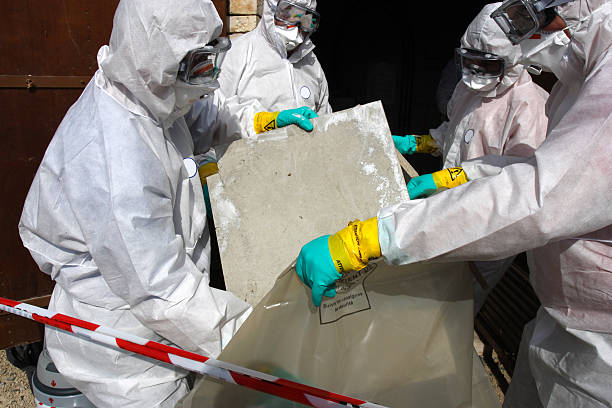
Renovation can disturb older building materials that may contain asbestos. Before removing flooring, opening walls, replacing ceilings, or modifying insulation, property owners should determine whether suspect materials need to be tested. The EPA recommends having suspect materials sampled by a properly trained and accredited asbestos professional when renovation could disturb them. Asbestos inspection service can help identify materials that require further evaluation before work begins.
Why Should Building Materials Be Tested for Asbestos Before Renovation?
Testing before renovation helps property owners and contractors understand what materials may be affected by planned construction. Asbestos cannot be reliably confirmed through appearance alone, so laboratory analysis may be necessary when suspect materials will be disturbed.
Planning an inspection early can also help define the renovation scope and determine whether additional asbestos-related procedures are needed. Federal requirements may apply to certain renovation and demolition projects, while California and local requirements can also affect project planning.
How Renovation Can Disturb Hidden Asbestos
Cutting, drilling, sanding, scraping, removing, or demolishing building materials can disturb asbestos-containing materials. Materials may be concealed beneath finishes or inside building assemblies.
Before renovation begins, suspect materials that could be disturbed should be evaluated appropriately. This allows the project team to make informed decisions about the work area and necessary precautions.
Why Older Properties May Require an Asbestos Assessment
Many older buildings contain materials manufactured or installed during periods when asbestos was commonly used in construction. Potential locations include flooring, insulation, roofing, ceilings, wall compounds, and mechanical systems. California health guidance identifies numerous building products that may contain asbestos.
The age of a property alone does not prove that asbestos is present. It does, however, provide a reason to consider an assessment when renovation could disturb older materials.
Why Visual Inspection Alone Cannot Confirm Asbestos
Asbestos fibers are microscopic, and many asbestos-containing materials look similar to materials without asbestos. A visual inspection can identify suspect materials, but it cannot reliably confirm their composition.
The EPA states that laboratory testing is the way to determine whether a suspect material contains asbestos.
What Common Building Materials May Contain Asbestos?
Asbestos was incorporated into a broad range of construction products because of its heat resistance, durability, and other physical properties. California guidance lists flooring, adhesives, wallboard, joint compounds, insulation, roofing, siding, ceiling materials, and other products among potential suspect materials.
The table below provides a general overview. It is not a complete list, and the presence of a material does not mean it contains asbestos.
Building Material | Areas Where It May Be Found |
|---|---|
Vinyl floor tile and sheet flooring | Kitchens, bathrooms, halls, rooms |
Flooring adhesives and mastics | Beneath flooring materials |
Joint compound and textured coatings | Walls and ceilings |
Pipe and duct insulation | Mechanical and utility areas |
Roofing and siding products | Exterior surfaces |
Ceiling tiles and panels | Interior ceilings |
Cement-based products | Exterior and utility areas |
Flooring Materials and Adhesives
Some older vinyl floor tiles, sheet flooring, flooring backing, and adhesives may contain asbestos.
Renovation work that involves removing flooring or scraping adhesives can disturb suspect materials. Flooring should therefore be evaluated when the planned work will affect older materials.
Drywall, Joint Compound, and Plaster
Wallboard, joint compounds, patching compounds, textured coatings, and certain plaster materials may require assessment depending on the building and material history.
Removing walls, cutting openings, sanding surfaces, or repairing older finishes can disturb these materials.
Insulation and Pipe Wrap
Pipe insulation, boiler insulation, HVAC duct insulation, and other thermal materials may contain asbestos.
These materials deserve particular attention before plumbing, heating, ventilation, or mechanical renovations because work can directly disturb insulation around pipes and equipment.
Roofing and Siding Materials
Certain roofing shingles, roofing felt, flashing, siding, and cement-based exterior products may contain asbestos.
Roof replacement, siding removal, exterior remodeling, and demolition can therefore warrant asbestos evaluation when older materials are involved.
Ceiling Tiles and Spray-Applied Materials
Older ceiling tiles, acoustical panels, textured coatings, and spray-applied materials may be suspect.
Ceiling replacement or repair can disturb these materials, especially when cutting, drilling, scraping, or removing them.
Cement-Based and Other Building Materials
Asbestos may also occur in cement products, cement siding, cement wallboard, caulking, putties, adhesives, electrical materials, and other specialty products.
Because the range of potential materials is broad, testing decisions should be based on the specific property and renovation scope.
Which Asbestos Building Materials Should Homeowners Check Before Renovation?
Homeowners should focus on materials that renovation work will disturb or remove. This includes both visible finishes and materials concealed within building systems.
A professional assessment can help identify suspect materials within the planned work area. The goal is not necessarily to test every material in a building, but to evaluate materials that could be affected by the project.
Materials in Kitchens and Bathrooms
Kitchen and bathroom remodeling can affect flooring, adhesives, wall finishes, ceiling materials, plumbing insulation, and other building components.
Before demolition or removal begins, older suspect materials should be evaluated when they may be disturbed.
Materials Around Heating and Plumbing Systems
Plumbing and HVAC work can expose pipe insulation, duct insulation, boiler components, gaskets, and other materials.
These areas should receive careful attention when renovation involves mechanical systems.
Materials in Basements, Attics, and Utility Areas
Utility spaces may contain older insulation, pipes, ducts, roofing materials, electrical components, and other products.
These areas can be overlooked during renovation planning even though construction work may disturb them.
Materials That May Be Hidden Behind Walls or Finishes
Some suspect materials may be beneath flooring, behind finishes, or within building assemblies.
Renovation plans should account for materials that may become accessible once existing finishes are removed.
When Is Asbestos Testing Before Renovation Necessary?
Testing is particularly important when planned work could disturb suspect materials. The EPA recommends testing suspect materials when they are damaged or when renovation will disturb them.
Project requirements can vary, so property owners should also confirm applicable federal, California, and local requirements before work begins.
Renovating or Demolishing Older Properties
Renovation and demolition can involve extensive disturbance of building materials.
For projects subject to applicable asbestos NESHAP requirements, a thorough inspection is required before renovation or demolition.
Removing Flooring, Walls, or Ceilings
Flooring removal, wall demolition, ceiling replacement, and similar work can disturb suspect materials.
Testing before these activities can help determine whether asbestos-related precautions or professional services are needed.
Remodeling Kitchens and Bathrooms
Kitchen and bathroom projects often involve multiple building materials, including flooring, adhesives, drywall, ceilings, and plumbing components.
Testing should be considered for suspect materials that will be removed or disturbed.
Repairing Roofing, Insulation, or Plumbing Components
Roofing repairs, pipe replacement, insulation work, and HVAC modifications can disturb materials that may contain asbestos.
The appropriate inspection scope should reflect the planned work.
How Does an Asbestos Inspection Service Identify Potential Hazards?
A professional inspection connects the property’s existing materials with the planned renovation. The process should focus on identifying suspect materials that could be disturbed and determining which require laboratory confirmation.
Fun Guy Inspections states that its Los Angeles asbestos inspection service evaluates suspect materials and uses laboratory analysis to determine whether asbestos is present.
Reviewing the Property and Renovation Plans
The inspection begins with information about the property and proposed work.
Understanding which rooms, surfaces, systems, and materials will be affected helps establish an appropriate inspection scope.
Identifying Suspect Materials
The inspector evaluates accessible materials that may be affected by renovation.
Potential suspect materials can include flooring, insulation, ceiling materials, wall compounds, roofing products, and other construction materials.
Collecting Samples for Laboratory Analysis
When appropriate, samples are collected from suspect materials and submitted for laboratory analysis.
Sampling should be performed by appropriately trained professionals using suitable procedures.
Documenting Findings and Recommendations
A written report can identify sampled materials, locations, laboratory findings, and relevant recommendations.
Clear documentation gives homeowners and contractors information they can use during renovation planning.
Why Should Contractors Prioritize Asbestos Inspection Before Disturbance?
Contractors benefit from knowing about potential asbestos-containing materials before work begins. Early information can reduce uncertainty and help coordinate the renovation with appropriate professionals.
It can also help avoid disturbing suspect materials without first understanding their composition and applicable project requirements.
Planning Renovation Work Safely
Knowing which materials require evaluation allows contractors to plan demolition, removal, and installation activities more effectively.
The inspection results can become part of the project’s environmental planning.
Reducing the Risk of Fiber Release
Avoiding unnecessary disturbance is an important principle when suspect asbestos-containing materials are present.
Proper project planning can help reduce the potential for uncontrolled disturbance of materials.
Supporting Proper Project Planning and Compliance
Applicable asbestos requirements vary according to project type, property, and jurisdiction.
EPA guidance states that renovation and demolition activities involving applicable asbestos-containing materials are subject to specific requirements.
Contractors should verify requirements with the appropriate regulatory authorities and qualified professionals.
What Should Homeowners Do If Asbestos Is Found?
Finding asbestos does not automatically mean that all materials must be removed. The appropriate response depends on the material, its condition, planned activities, and applicable requirements.
Homeowners should avoid making removal decisions based solely on appearance or assumptions.
Avoid Disturbing Suspect Materials
Do not cut, sand, drill, scrape, or remove suspect materials until they have been properly evaluated.
Unnecessary disturbance can increase the potential for fiber release.
Understand the Inspection and Testing Results
Review the report to understand which materials were sampled and what the laboratory identified.
Ask questions if the scope or recommendations are unclear.
Determine Whether Further Professional Action Is Needed
Depending on the findings and renovation scope, additional asbestos-related services may be necessary.
Appropriate professionals can help determine whether materials should be managed, repaired, enclosed, or removed in accordance with applicable requirements.
How Can Fun Guy Inspection & Consulting, Inc. Help With Asbestos Inspection?
Fun Guy Inspection & Consulting, Inc. provides environmental inspection services for property owners and other clients. Its website identifies asbestos inspection as one of its environmental services and describes sampling and laboratory analysis as part of its process.
For renovation planning, the inspection can help provide information about suspect materials before they are disturbed.
Professional Property Assessment
The inspection can evaluate areas relevant to the proposed renovation and identify suspect building materials.
Testing Suspect Building Materials
Appropriate samples can be collected and submitted for laboratory analysis when testing is warranted.
Clear Reporting for Homeowners and Contractors
A documented report can help communicate findings to homeowners, contractors, and other project professionals.
If you are searching for an asbestos inspection service near me, selecting a provider that can clearly explain the inspection scope, sampling process, laboratory analysis, and reporting can help support better renovation planning.
Conclusion: Test Suspect Materials Before Renovation Disturbs Them
Renovation can expose or disturb building materials that have remained untouched for years. Flooring, adhesives, insulation, ceilings, roofing, siding, wall compounds, and other products may require evaluation when their composition is unknown and planned work could disturb them.
Visual inspection alone cannot confirm asbestos. Appropriate sampling and laboratory analysis provide more reliable information about suspect materials. Early assessment can also help homeowners and contractors plan renovation work around known environmental conditions.
If you need professional guidance before remodeling, contact Fun Guy Inspection & Consulting, Inc. to learn more about asbestos inspection and environmental assessment services. Taking the time to evaluate suspect materials before renovation begins can help support informed project planning and reduce unnecessary disturbance.