
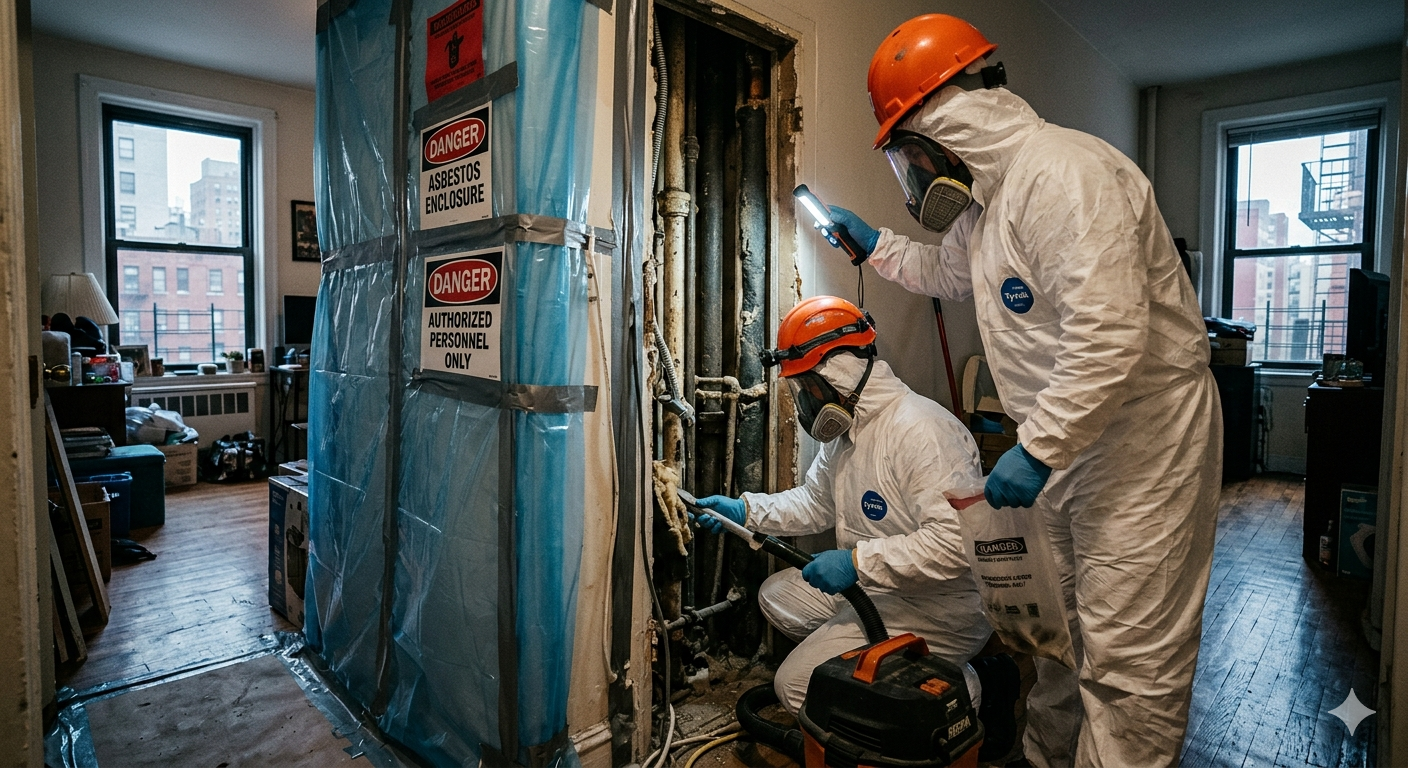
Asbestos Removal in Manhattan
In Manhattan, space is not just limited, it is layered, shared, and constantly evolving. Behind walls, beneath flooring, and above ceilings in pre-war and mid-century buildings lies a material that once symbolized durability but now represents a serious health risk. Asbestos remains one of the most complex environmental hazards in dense urban settings, especially in a borough where renovations, retrofits, and property transitions happen every day.
At Fun Guy Inspections, we approach asbestos removal in Manhattan with a perspective shaped by the city’s architectural density and the behavioral patterns of its occupants. We do not just remove hazardous material. We engineer containment strategies that account for vertical airflow, shared infrastructure, and the realities of confined urban living.
The Hidden Challenge of Micro-Zoned Contamination
Unlike suburban structures, Manhattan buildings operate as interconnected ecosystems. A single asbestos disturbance in one unit can influence adjacent apartments through ventilation shafts, plumbing chases, and structural voids. This creates what we define as micro-zoned contamination, where exposure risk is not isolated to a single space.
We analyze contamination pathways using building-specific mapping. This includes:
• Air pressure differentials between units
• Shared ductwork and risers
• Structural cavities that act as fiber conduits
• Elevator shafts and service corridors
Our removal process begins with understanding how asbestos behaves within these micro-environments. This allows us to design containment systems that prevent lateral and vertical fiber migration.
Why Manhattan Requires a Different Removal Philosophy
Traditional asbestos removal models are often designed for detached structures. Manhattan demands a more surgical approach. Here, demolition is rarely an option without consequence. Every action must consider neighbors, building management, and regulatory compliance.
We adapt our methods to:
• Tight workspaces with limited staging areas
• Occupied buildings where relocation is minimal or impossible
• Noise and time restrictions imposed by property management
• Continuous foot traffic in common areas
This leads us to deploy modular containment units, negative air pressure systems, and phased removal strategies that minimize disruption while maintaining safety.
The Role of Behavioral Flow in Exposure Risk
One of the most overlooked aspects of asbestos removal is human behavior. In Manhattan, residents, contractors, and service personnel move through buildings in predictable patterns. These movement flows influence how contaminants spread.
We incorporate behavioral mapping into our planning process. This includes:
• Identifying high-traffic zones such as hallways and lobbies
• Scheduling removal during low-activity periods
• Creating controlled access pathways for workers and equipment
• Using decontamination chambers positioned based on movement patterns
By aligning our removal strategy with how people actually use a space, we reduce the risk of accidental exposure.
Advanced Containment Engineering for Vertical Structures
Containment in a high-rise environment is not just about sealing a room. It is about controlling an entire vertical column of potential exposure.
We use multi-layer containment systems that include:
• Primary barriers within the work zone
• Secondary containment in transitional spaces
• Airlock systems for controlled entry and exit
• HEPA-filtered negative air machines calibrated for vertical airflow dynamics
These systems are continuously monitored to ensure pressure stability. Even minor fluctuations can compromise containment in a building where air naturally moves upward.
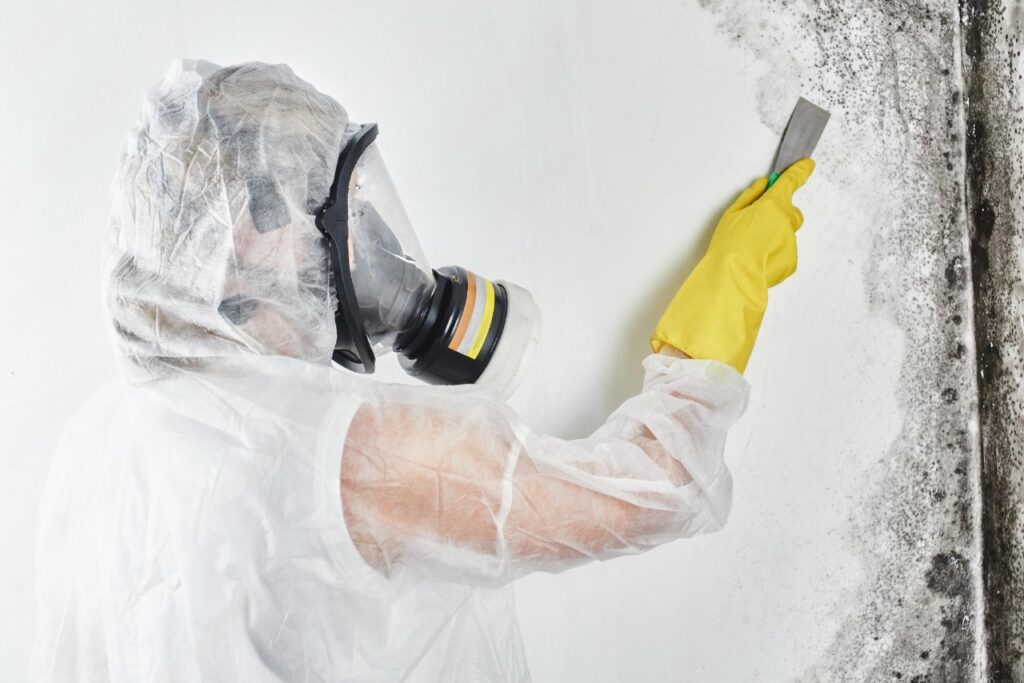
Material-Specific Removal Techniques
Asbestos in Manhattan properties appears in various forms, each requiring a tailored removal method.
Common materials include:
• Pipe insulation in basement and utility areas
• Floor tiles and adhesives in older apartments
• Ceiling textures and fireproofing materials
• Wallboard compounds used in renovations decades ago
We assess each material for friability, location, and integration with other building systems. This determines whether we use wet removal methods, encapsulation, or full abatement.
Our goal is not just compliance but precision. Removing too aggressively can create more risk than leaving stable material undisturbed.
Regulatory Navigation and Documentation
Manhattan operates under strict environmental and safety regulations. Compliance is not optional, and documentation must be thorough.
We manage every aspect of the regulatory process, including:
• Pre-removal inspections and testing
• Notification to relevant authorities
• Air quality monitoring before, during, and after removal
• Final clearance certification
We maintain detailed records that protect property owners, managers, and occupants. This documentation is essential for real estate transactions, insurance, and long-term liability management.
Minimizing Disruption in High-Density Living
One of the defining challenges of asbestos removal in Manhattan is maintaining livability during the process. Many residents cannot vacate their units for extended periods. We design our operations to coexist with daily life.
This includes:
• Noise-controlled equipment
• Dust suppression beyond the containment zone
• Clear communication with residents and building staff
• Rapid mobilization and demobilization
Our teams are trained not only in technical execution but also in working within occupied environments. Professional conduct is as critical as technical skill.
Post-Removal Environmental Stabilization
Removing asbestos is only part of the equation. The environment must be stabilized to ensure long-term safety.
We conduct:
• Final air sampling to confirm fiber levels are within safe limits
• Surface cleaning using specialized HEPA systems
• Inspection of adjacent areas for secondary contamination
• Recommendations for future renovations or maintenance
This phase ensures that the space is not just compliant but genuinely safe for occupants.
A New Perspective on Urban Environmental Safety
Asbestos removal in Manhattan is not a routine service. It is a specialized discipline that intersects environmental science, engineering, and urban living dynamics. The density of the city amplifies both the risk and the responsibility.
At Fun Guy Inspections, we approach every project with a systems-level mindset. We do not isolate problems. We analyze how they interact with the building and the people inside it. This allows us to deliver solutions that are not only effective but also sustainable in the context of Manhattan’s unique environment.
Final Thoughts
Manhattan’s buildings carry history within their walls. Some of that history includes materials that no longer belong in modern living spaces. Addressing asbestos requires more than removal. It requires an understanding of how contamination behaves in a vertical, shared, and constantly active environment.
We bring that understanding into every project. Our focus is on precision, containment, and the protection of everyone who lives and works within these structures.