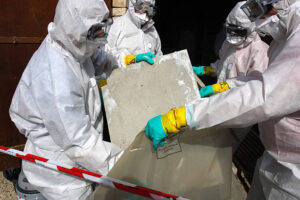

Water Damage Inspection in Los Angeles
Water damage can quietly develop behind walls, under flooring, and inside ceilings long before obvious signs appear. In a city like Los Angeles, where properties experience everything from aging plumbing systems to seasonal storms and hidden moisture issues, early detection is critical. At Fun Guy Inspections, we help property owners identify moisture problems before they turn into expensive structural repairs, mold contamination, and indoor air quality concerns.
Many homeowners and commercial property owners assume water damage is only serious when flooding occurs. In reality, small leaks and hidden moisture buildup often create the most severe long term damage because they remain unnoticed for months. Knowing the warning signs can help protect your investment and reduce restoration costs.
Why Early Water Damage Detection Matters
Water damage affects far more than appearance. Moisture can weaken drywall, warp wood framing, damage insulation, and create ideal conditions for mold growth. Once moisture spreads into hidden spaces, repairs become more invasive and expensive.
In Southern California, many buildings have older plumbing systems, aging roofs, and outdated drainage structures. Combined with occasional heavy rain and changing temperatures, these factors increase the risk of hidden water intrusion.
A professional inspection allows us to identify the source of moisture, evaluate the extent of damage, and help property owners take corrective action before conditions worsen.
Discoloration on Walls or Ceilings
One of the earliest warning signs of water damage is discoloration. Brown, yellow, or copper colored stains on ceilings and walls often indicate a hidden leak above or behind the surface.
These stains may appear small at first but can gradually expand over time. In many cases, the visible stain is only a fraction of the actual moisture problem hidden inside the structure.
Ceiling stains are commonly caused by roof leaks, leaking upstairs plumbing, or HVAC condensation issues. Wall discoloration may point to pipe leaks, window intrusion, or exterior drainage failures.
If stains continue growing or reappear after repainting, a professional inspection becomes essential.
Musty Odors Inside the Property
Persistent musty smells are often linked to hidden moisture and mold growth. Even when mold is not visible, damp materials behind walls or under flooring can produce a noticeable odor.
This is especially common in bathrooms, kitchens, laundry rooms, crawl spaces, and basements. In some properties, the odor becomes stronger after rain or during humid conditions.
A musty smell should never be ignored because it often indicates ongoing moisture intrusion. The longer moisture remains trapped, the higher the likelihood of structural deterioration and microbial growth.
Peeling Paint or Bubbling Drywall
When moisture builds behind painted surfaces, it causes materials to separate and weaken. Paint may bubble, crack, or peel away from walls and ceilings. Drywall can begin to swell, soften, or crumble.
These signs are frequently mistaken for normal wear and tear, but they often indicate hidden water damage beneath the surface.
In many cases, we discover that a small plumbing leak has been active for weeks or even months before these visible symptoms appear.
Warped Flooring or Soft Spots
Water damage can significantly affect flooring materials. Hardwood floors may begin to buckle, laminate flooring can lift at the edges, and tile surfaces may loosen due to moisture underneath.
Soft or spongy areas underfoot are major warning signs. These conditions often mean water has penetrated subfloor materials and weakened structural support.
In commercial buildings and multi family properties, unnoticed floor moisture can spread between units and create larger restoration challenges.
Sudden Increase in Water Bills
An unexplained spike in your water bill may indicate a hidden plumbing leak somewhere in the property. Small leaks inside walls or beneath slabs can waste large amounts of water over time while remaining invisible.
Many property owners discover hidden leaks only after noticing unusually high monthly utility costs.
Professional inspections can help locate concealed moisture sources using specialized tools such as moisture meters, infrared imaging, and leak detection equipment.
Mold Growth Around Windows or Baseboards
Visible mold growth is often a sign of excess moisture. Mold may appear as black, green, white, or gray spots around windows, baseboards, ceilings, or bathroom surfaces.
Although some mold growth appears minor, it can indicate larger hidden moisture issues inside walls or beneath flooring materials.
Mold exposure may also affect indoor air quality and contribute to respiratory irritation, allergies, and unpleasant odors.
At Fun Guy Inspections, we carefully inspect moisture prone areas to determine whether water intrusion is contributing to mold development.
Cracks in Foundation or Exterior Walls
Water intrusion does not always begin indoors. Poor drainage, roof runoff, and plumbing leaks around the exterior of a property can gradually affect the foundation.
Cracks in exterior walls, shifting concrete, or uneven flooring may indicate long term moisture exposure beneath the structure.
While not every crack signals major damage, it is important to evaluate whether water is contributing to structural movement or deterioration.
Roof Leaks After Rain
Even small roof leaks can lead to major interior damage if left untreated. In Los Angeles, many property owners overlook roof maintenance because of the region’s generally dry climate. However, aging roofing materials can still fail during seasonal rainstorms.
Signs of roof related water damage include ceiling stains, attic moisture, damp insulation, and dripping during storms.
Routine inspections help identify vulnerable roofing areas before leaks spread into living spaces.
Condensation Around Windows and Pipes
Excess condensation may signal humidity problems or inadequate ventilation. Over time, repeated moisture accumulation can damage surrounding materials and encourage mold growth.
Bathrooms, kitchens, and poorly ventilated rooms are especially vulnerable.
Condensation issues often seem minor initially, but they can contribute to long term deterioration if ignored.
Why Professional Water Damage Inspections Are Important
Visual symptoms alone do not always reveal the full extent of moisture damage. Water can travel behind walls, under flooring, and through insulation before visible signs emerge.
Professional inspections allow us to identify hidden moisture sources using advanced tools and techniques. We evaluate affected materials, measure moisture levels, and determine whether mold growth or structural concerns may be developing.
Early detection can significantly reduce repair costs and prevent further property damage.
Preventing Future Water Damage
Property owners can reduce the risk of water damage through regular maintenance and early intervention.
Routine roof inspections, plumbing checks, gutter cleaning, and proper drainage management all play important roles in protecting a building from moisture intrusion.
It is also important to respond quickly when warning signs appear. Small leaks rarely remain small for long.
Scheduling regular inspections can help identify developing problems before they become major restoration projects.
Protect Your Property with Fun Guy Inspections
At Fun Guy Inspections, we understand how quickly hidden moisture problems can escalate. Our inspection services help homeowners, landlords, and commercial property owners throughout Los Angeles identify early warning signs of water damage before serious structural or mold issues develop.
Whether you have noticed stains, odors, warped flooring, or unexplained moisture, our team is here to provide detailed inspections and reliable guidance. Early action can save thousands in repairs while protecting the safety and value of your property.