Understanding Why Malibu Homes Face Higher Mold Risks
Living near the coast offers beautiful views, fresh ocean breezes, and a relaxing lifestyle, but it also creates unique challenges for homeowners. Malibu experiences constant exposure to ocean humidity that allows moisture to linger inside homes for longer periods. Seasonal storms further increase the amount of water that can find its way into walls, ceilings, crawl spaces, and flooring. Even a small amount of trapped moisture can create ideal conditions for mold to develop if it is not addressed quickly. Many homeowners underestimate how quickly mold colonies can begin growing after excess moisture is introduced into a property. At Fun Guy Inspections, we understand how Malibu’s coastal climate affects homes throughout the year, and we focus on identifying the source of moisture before recommending the most effective mold removal approach.
How Ocean Humidity Creates Hidden Moisture Problems
Unlike sudden water damage from a plumbing leak, ocean humidity works slowly and often goes unnoticed for months. Moist air enters homes through open windows, attic vents, crawl spaces, and even tiny gaps around doors and windows. As temperatures fluctuate throughout the day, moisture condenses on cooler building materials and creates damp surfaces behind walls or inside insulation. This hidden moisture becomes an ideal environment for mold spores that naturally exist in the air. Homeowners may never see visible water, yet mold can continue growing behind finished surfaces without obvious warning signs. Our inspections are designed to identify these concealed moisture issues before they become larger structural or indoor air quality concerns.
The Lasting Impact of Seasonal Storms
Heavy rainstorms can introduce moisture into a property in several different ways. Roof leaks, damaged flashing, overflowing gutters, foundation cracks, and improperly sealed windows all provide pathways for water intrusion. Even after visible water disappears, moisture often remains trapped inside drywall, wood framing, insulation, and flooring materials. Without proper drying, these damp materials become ideal breeding grounds for mold growth. Many homeowners believe the problem has been resolved once standing water is removed, but the real issue often begins afterward. We evaluate the entire affected area to determine how far moisture has spread and whether mold has already started developing in concealed locations.
Why Immediate Mold Removal Matters
Waiting too long to remove mold allows colonies to continue expanding into surrounding building materials. What begins as a small area of contamination can eventually spread through ventilation systems, wall cavities, and adjacent rooms. Mold also damages materials over time by breaking down organic surfaces such as wood, drywall paper, insulation, and carpeting. Delayed action often increases restoration costs because additional materials may need to be removed and replaced. Fast response helps reduce property damage while limiting the spread of airborne spores throughout the home. Our goal is always to identify the extent of contamination early so appropriate remediation can begin before the problem becomes significantly larger.
Common Areas Where Mold Develops in Malibu Homes
Coastal homes experience moisture differently than inland properties, which means mold often appears in locations homeowners rarely inspect. Attics commonly develop mold because humid air rises and condenses beneath roofing materials. Crawl spaces remain damp due to poor ventilation and elevated ground moisture. Bathrooms, laundry rooms, kitchens, and utility areas frequently experience higher humidity levels that encourage mold growth around plumbing fixtures and exhaust systems. Window frames and exterior-facing walls are also vulnerable because condensation forms regularly during changing weather conditions. We inspect each of these high risk areas carefully to provide a complete understanding of the property’s condition rather than focusing only on visible mold.
Why Professional Moisture Detection Is Essential
Visible mold represents only a portion of the overall problem in many homes. Hidden moisture may remain inside walls, beneath flooring, or above ceilings even when surfaces appear completely dry. Professional moisture detection equipment allows us to identify elevated moisture levels without unnecessary demolition. Thermal imaging, moisture meters, and detailed visual assessments provide valuable information about conditions that cannot be seen with the naked eye. This comprehensive evaluation helps determine the true extent of contamination and prevents important areas from being overlooked. Our process emphasizes accurate diagnosis because successful mold removal depends on eliminating both the mold and the moisture source.
The Importance of Containment During Mold Removal
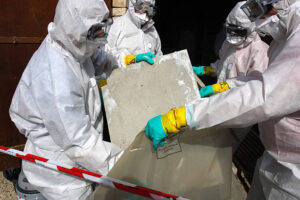
Effective mold removal involves much more than cleaning visible surfaces. Disturbing mold without proper containment can release thousands of microscopic spores into surrounding areas of the home. These airborne spores may settle in unaffected rooms and begin growing if moisture is present later. Proper containment techniques help isolate contaminated areas while reducing the risk of cross contamination during remediation. Air filtration and controlled work areas are important parts of maintaining a cleaner environment throughout the removal process. We believe every remediation project should focus on preventing unnecessary spread while restoring the affected areas safely and efficiently.
Addressing the Source Instead of Only the Symptoms
One of the most common mistakes homeowners make is treating visible mold without correcting the moisture issue that allowed it to grow. Surface cleaning alone cannot provide a lasting solution if water intrusion continues behind walls or beneath flooring. Roof leaks, plumbing issues, poor drainage, inadequate ventilation, and condensation problems must all be identified and corrected. Otherwise, mold often returns even after the affected surfaces appear clean. Long term success depends on resolving the underlying environmental conditions that support mold growth. Our inspections are designed to uncover those contributing factors so homeowners can make informed decisions about repairs and prevention.
Preventing Mold After Storm Season
Prevention begins with regular property inspections before and after seasonal storms arrive. Roofs, gutters, flashing, windows, and exterior seals should be checked routinely for signs of damage that could allow water intrusion. Indoor humidity levels should remain controlled with proper ventilation, especially in bathrooms, kitchens, laundry rooms, and crawl spaces. Homeowners should also respond immediately to any plumbing leaks or unexpected water damage instead of waiting for visible mold to appear. Early drying significantly reduces the opportunity for mold colonies to establish themselves. Small maintenance efforts performed consistently throughout the year often prevent much larger restoration projects later.
Protecting Your Malibu Home for the Long Term
Owning a home near the ocean requires ongoing attention to moisture management because the coastal environment continually challenges building materials. Ocean humidity and seasonal storms create conditions that make regular inspections especially valuable for protecting both property value and indoor air quality. Early identification of hidden moisture allows problems to be addressed before extensive mold growth occurs. Professional inspections also provide homeowners with a clearer understanding of their property’s overall condition and any developing risks. Fun Guy Inspections is committed to helping homeowners make informed decisions through thorough inspections and practical recommendations. When moisture issues are identified early and mold removal is handled correctly, homes remain healthier, safer, and better protected against the challenges of Malibu’s coastal climate.