Why Hidden Mold Requires Professional Inspection
Mold can develop behind walls and ceilings without producing obvious signs on the visible surface. In Westlake homes and buildings, moisture may enter through plumbing leaks, roof problems, poor ventilation, condensation, or water intrusion around windows. Once moisture becomes trapped inside a wall cavity or above a ceiling, mold can begin developing in areas that are difficult to see. A room may appear clean while hidden moisture continues creating conditions that support microbial growth. We look beyond visible discoloration to determine whether moisture or mold may be present in concealed areas. Our inspection process is designed to identify potential problems early so property owners can understand what is happening before damage becomes more extensive.
Starting With a Detailed Visual Inspection
A professional mold inspection usually begins with a detailed examination of accessible areas throughout the property. We inspect walls, ceilings, floors, baseboards, cabinets, windows, plumbing fixtures, and other locations where moisture problems may develop. Staining, bubbling paint, warped drywall, peeling surfaces, musty odors, and unusual discoloration can provide important clues about hidden conditions. Inspectors also consider the age and construction of the property because different building materials can respond differently to moisture exposure. Changes in texture or color may indicate previous water damage even when the original leak has already stopped. Fun Guy Inspections uses these visible clues to determine which areas may require closer investigation.
Checking Walls for Moisture Problems
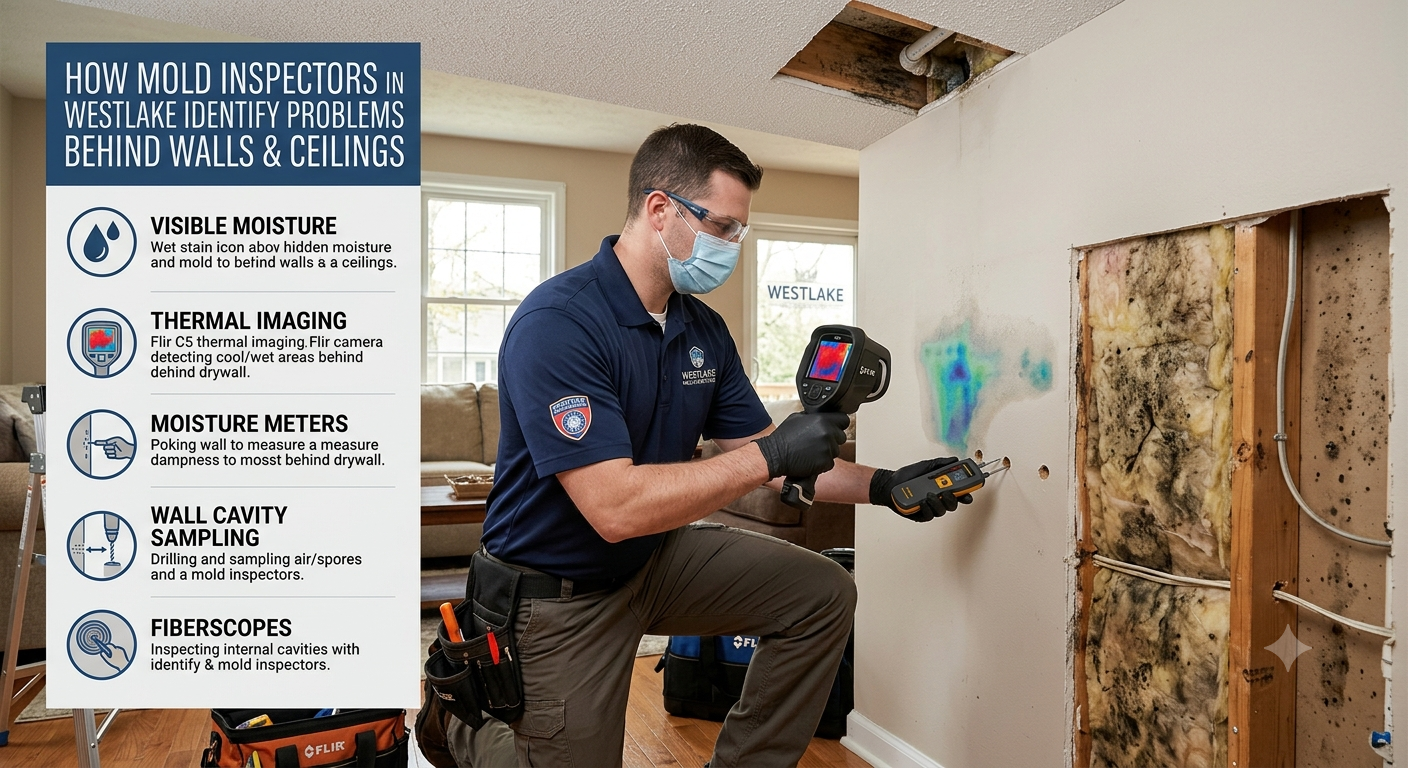
Moisture behind drywall can remain undetected for long periods because the wall surface may continue looking normal. Inspectors use moisture measurement equipment to evaluate whether elevated moisture levels exist in suspicious sections of walls. Readings can help identify areas affected by plumbing leaks, exterior water intrusion, condensation, or other sources of moisture. The inspection may include comparisons between questionable areas and nearby dry sections to establish whether readings are unusual. When elevated moisture is discovered, inspectors investigate the surrounding area to understand the possible source and extent of the problem. This approach helps connect moisture evidence with the conditions that could allow mold growth behind the wall.
Investigating Ceilings for Hidden Moisture
Ceilings can conceal moisture problems caused by roof leaks, plumbing failures, HVAC condensation, or water traveling from an upper level. A small ceiling stain can sometimes represent a larger moisture problem that extends beyond the visibly damaged section. We examine ceiling surfaces for discoloration, soft areas, peeling paint, cracking, sagging, and other indications of water exposure. Moisture measurements can then help determine whether the ceiling material currently contains elevated moisture. Inspectors also consider whether the affected area is located beneath a bathroom, roof section, attic, mechanical system, or plumbing line. Understanding what is located above a ceiling can provide valuable information about where moisture may have originated.
Using Moisture Meters During Inspection
Moisture meters are important tools for identifying conditions that cannot be confirmed through visual inspection alone. These instruments can help inspectors locate areas where building materials contain higher than expected moisture levels. Different materials can produce different readings, so measurements need to be interpreted in relation to the construction of the property. Inspectors may take readings around stains, wall corners, ceilings, windows, plumbing fixtures, and other areas associated with water intrusion. A pattern of elevated readings can provide stronger evidence than an isolated measurement in one location. Our inspectors use moisture information together with visual observations and building conditions to develop a clearer understanding of potential hidden problems.
Following Musty Odors and Other Clues
A persistent musty odor can be an important indication that moisture or microbial growth may exist somewhere inside a building. Odors can sometimes travel through wall cavities, ceiling spaces, ventilation systems, or other concealed pathways. Because the strongest odor may not occur directly beside the source, inspectors need to evaluate surrounding areas carefully. We consider odor patterns alongside moisture readings, visible damage, ventilation conditions, and the history of water problems. Previous flooding, leaks, roof repairs, or recurring condensation can provide additional clues about areas that deserve attention. Fun Guy Inspections considers these combined indicators rather than relying on a single symptom when investigating possible hidden mold.
Inspecting Areas Around Plumbing
Plumbing systems are common sources of concealed moisture because leaks can occur inside walls, beneath fixtures, or above ceilings. Bathrooms, kitchens, laundry areas, utility rooms, and spaces containing water supply or drainage lines deserve particular attention during an inspection. Inspectors look for staining, swelling, damaged materials, unusual odors, and moisture readings around plumbing locations. Even a slow leak can provide enough moisture for mold growth when it remains unnoticed inside an enclosed cavity. We also consider whether nearby materials show signs of repeated moisture exposure rather than assuming every problem comes from a recent event. Identifying the relationship between plumbing components and affected building materials can help narrow down the potential source.
Examining Attics and Ceiling Spaces
Attic areas can provide valuable information when inspectors are investigating ceiling discoloration or suspected moisture problems. Roof leaks, inadequate ventilation, condensation, and insulation issues can contribute to moisture accumulation above finished ceilings. Inspectors examine accessible attic spaces for water staining, damp insulation, deteriorated materials, and conditions that could allow moisture to persist. Ventilation patterns are also important because warm, humid air can contribute to condensation when it encounters colder surfaces. Where access is available, examining the space above a ceiling can help determine whether the visible interior symptom is connected to a larger building condition. This investigation can provide useful context without unnecessarily disturbing finished surfaces.
Determining Whether Further Testing Is Needed
Not every stain or moisture reading automatically confirms the presence of mold, which is why inspection findings need to be interpreted carefully. In some situations, additional sampling may be considered when there is a specific reason to identify or characterize suspected microbial growth. Sampling decisions should be based on the inspection findings rather than performed simply because a property owner notices an unusual smell or stain. Inspectors evaluate the location, moisture conditions, building materials, visible evidence, and history before determining whether additional testing may provide useful information. We explain what the available evidence indicates and distinguish confirmed observations from conditions that require further evaluation. This allows property owners to make informed decisions about the next steps without treating every suspicious area as a confirmed mold problem.
Connecting Moisture Sources With Mold Risk
Finding a potentially affected area is only one part of understanding a hidden mold concern. The underlying moisture source must also be considered because continued water intrusion can allow conditions to persist even after visible materials are cleaned. Inspectors investigate possible connections between affected areas and roofs, plumbing systems, HVAC equipment, exterior walls, windows, bathrooms, and ventilation pathways. A ceiling stain may originate from a roof issue while a wall problem could be related to plumbing or exterior water penetration. Understanding these relationships can help property owners address the condition that created the moisture instead of focusing only on the visible symptom. Our inspection process emphasizes identifying contributing conditions so the resulting information can support appropriate corrective decisions.
Protecting the Property With Early Detection
Hidden moisture and mold problems can become more complicated when they remain undiscovered for extended periods. Early inspection can provide useful information when there are unexplained odors, recurring stains, moisture concerns, or signs of previous water damage. Identifying suspicious areas before extensive deterioration occurs may help property owners investigate the underlying source more efficiently. We document relevant observations and explain where concealed conditions may warrant additional attention. A professional inspection can also help distinguish ordinary cosmetic issues from signs that may indicate a more significant moisture problem. Fun Guy Inspections helps Westlake property owners understand potential hidden conditions so they can determine appropriate next steps based on documented inspection findings.
Making Sense of Hidden Conditions
Walls and ceilings can conceal problems that are impossible to evaluate accurately through a quick visual walkthrough. Moisture meters, visual inspection techniques, building knowledge, and careful investigation can help inspectors identify areas that deserve further attention. The goal is not simply to locate discoloration but to understand why the condition exists and whether moisture is still affecting the building materials. Property owners should consider the source, extent, accessibility, and evidence associated with any suspected hidden mold condition. We provide observations that can help create a clearer picture of what may be occurring behind finished surfaces. With the right inspection approach, Westlake property owners can address moisture concerns with better information and avoid relying solely on what can be seen from the surface.