
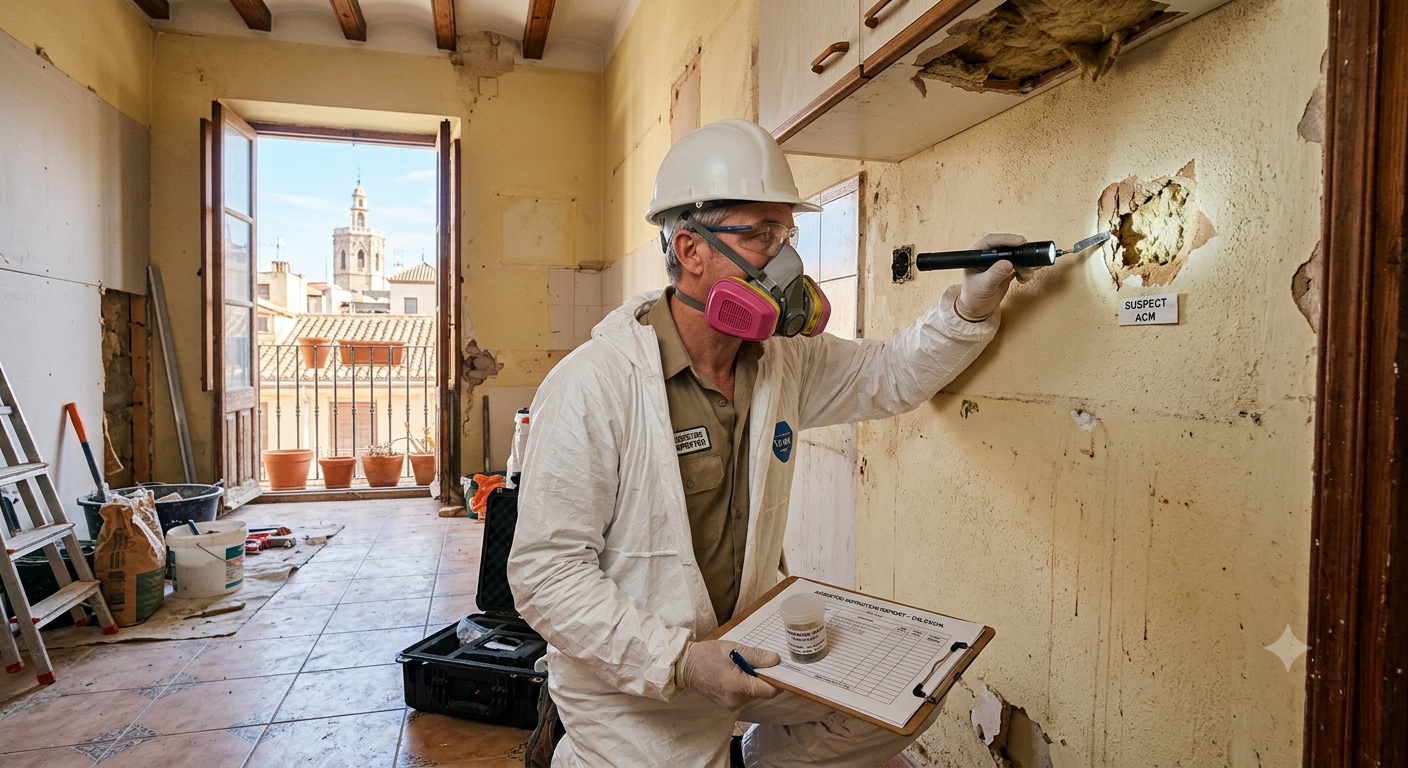
Why Asbestos Inspectors in Valencia Are Essential Before Property Remodeling
Planning a remodeling project is an exciting step for any property owner. Whether you want to modernize an older home, upgrade a commercial building, or improve the value of your investment, every renovation begins with proper preparation. One of the most important yet often overlooked steps is identifying hazardous building materials before construction starts. This is where professional asbestos inspections become critical.
Many buildings constructed decades ago still contain asbestos in various materials. Disturbing these materials during demolition, drilling, sanding, or remodeling can release microscopic fibers into the air. Once airborne, these fibers can create serious health risks for everyone on the property. Before making structural changes, understanding whether asbestos is present protects your family, contractors, and investment.
At Fun Guy Inspections, we believe that every successful remodeling project starts with accurate information. Knowing what lies behind walls, beneath flooring, or above ceilings helps prevent unexpected delays, expensive cleanup costs, and unnecessary health hazards.
Understanding Why Asbestos Was Used in Buildings
For many years, asbestos was considered an ideal construction material because of its durability, heat resistance, fire protection, and insulating properties. It was commonly included in countless residential and commercial building products.
Depending on the age of the property, asbestos may be found in insulation, textured ceilings, vinyl floor tiles, roofing materials, siding, drywall compounds, pipe insulation, cement products, and even certain adhesives. Although these materials may remain stable when left untouched, remodeling activities often damage them, increasing the risk of fiber release.
Many property owners are surprised to discover asbestos hidden in places they never expected. Since asbestos cannot be identified through visual inspection alone, laboratory testing is necessary for accurate confirmation.
Remodeling Can Disturb Hidden Hazards
Even relatively small remodeling projects can disturb materials that contain asbestos. Replacing flooring, opening walls, updating plumbing, removing old ceilings, installing recessed lighting, or renovating bathrooms and kitchens may all expose previously undisturbed materials.
Once asbestos containing materials are damaged, tiny fibers become airborne. These fibers are invisible to the naked eye and may remain suspended for long periods before settling on surfaces throughout the building.
Without an inspection before remodeling begins, contractors may unknowingly spread contamination across multiple areas, increasing cleanup costs and creating avoidable safety concerns.
Protecting Occupants and Construction Workers
One of the primary reasons for scheduling an asbestos inspection before remodeling is protecting the health of everyone involved in the project.
Exposure to asbestos fibers has been associated with several serious respiratory illnesses. Since symptoms often develop many years after exposure, preventing contact is the most effective approach.
Construction workers face increased risks when they cut, drill, remove, or demolish building materials. Homeowners, family members, employees, and neighboring occupants may also be exposed if fibers travel through ventilation systems or remain inside the property.
Professional inspections help identify hazardous materials before work begins so appropriate safety measures can be implemented.
Older Properties in Valencia Require Extra Attention
Many homes and commercial buildings in Valencia were constructed during periods when asbestos containing materials were widely used throughout the construction industry.
Even properties that have undergone previous renovations may still contain asbestos in untouched areas. It is common to find hazardous materials hidden behind updated finishes or inside mechanical spaces that were never remodeled.
Because every property has its own construction history, assuming a building is asbestos free simply because it looks modern can create unnecessary risks.
Professional inspectors understand where asbestos is most commonly located based on building age, construction methods, and renovation history.
Preventing Costly Project Delays
Unexpected discoveries during construction can quickly disrupt remodeling schedules.
Imagine beginning demolition only to discover suspected asbestos halfway through the project. Construction may need to stop immediately while testing is performed and proper removal procedures are arranged.
These interruptions often increase labor costs, delay subcontractors, extend equipment rentals, and postpone project completion.
Completing asbestos inspections before remodeling begins allows contractors to plan appropriately from the start, helping projects remain organized and on schedule.
Supporting Regulatory Compliance
Many remodeling projects must comply with local, state, and federal regulations regarding asbestos handling.
If asbestos containing materials are identified, they often require specific procedures for containment, removal, transportation, and disposal. Ignoring these requirements can lead to legal complications, fines, and liability concerns.
Professional inspections provide documented findings that help property owners and contractors understand what steps should be taken before renovation activities begin.
This documentation may also become valuable when selling the property or maintaining renovation records.
Avoiding Cross Contamination
Once asbestos fibers become airborne, they can spread well beyond the immediate work area.
Fibers may settle on furniture, carpeting, air ducts, clothing, tools, and personal belongings. Workers may even carry fibers into clean areas without realizing it.
Preventing contamination is significantly easier than cleaning it after exposure has occurred.
By identifying asbestos before demolition starts, appropriate containment strategies can be developed to reduce the spread of hazardous materials throughout the building.
Accurate Sampling Makes the Difference
Proper asbestos inspections involve much more than simply looking around a property.
Professional inspectors identify materials that may contain asbestos based on construction practices, product appearance, and building age. Carefully collected samples are then submitted to accredited laboratories for analysis.
Laboratory testing provides objective confirmation rather than relying on assumptions or visual observations.
Accurate sampling ensures that remodeling decisions are based on verified information instead of guesswork.
Protecting Your Remodeling Budget
Unexpected environmental issues can significantly increase renovation costs.
When asbestos is discovered after construction begins, property owners often face emergency testing, temporary project shutdowns, additional labor expenses, specialized removal services, and revised construction schedules.
Identifying asbestos early allows these costs to be incorporated into project planning rather than becoming expensive surprises.
Investing in an inspection before remodeling often saves money by reducing the likelihood of major disruptions later in the project.
Peace of Mind Throughout Construction
Home improvement projects already involve numerous decisions, contractors, permits, and scheduling challenges.
Knowing that hazardous materials have been properly evaluated before work begins removes one major source of uncertainty.
Property owners can move forward with greater confidence, knowing their remodeling project is based on accurate environmental information rather than assumptions.
This confidence benefits everyone involved, from homeowners and investors to contractors and future occupants.
When Should You Schedule an Inspection?
The best time for an asbestos inspection is before any demolition or remodeling work begins.
If your project involves removing walls, ceilings, flooring, insulation, roofing materials, plumbing systems, HVAC components, or other original building materials, scheduling an inspection beforehand is a smart decision.
Even cosmetic renovations may disturb hidden materials depending on the scope of work.
Planning ahead allows enough time for testing, laboratory analysis, and any necessary recommendations before construction crews arrive.
Choosing Experienced Professionals
An effective asbestos inspection requires technical knowledge, careful sampling procedures, and attention to detail.
Experienced inspectors understand building construction, recognize materials that commonly contain asbestos, and know how to collect representative samples without creating unnecessary disturbance.
Clear reporting also helps property owners understand inspection findings and determine the next steps for their remodeling project.
Choosing qualified professionals provides confidence that the inspection process is thorough, accurate, and focused on protecting both people and property.
Why Property Owners Trust Fun Guy Inspections
At Fun Guy Inspections, we understand that remodeling projects represent significant investments. Our goal is to provide reliable asbestos inspections that help property owners make informed decisions before construction begins.
We carefully evaluate suspect materials, collect appropriate samples, and deliver detailed findings that support safe renovation planning. Our inspections help reduce uncertainty while protecting occupants, contractors, and the long term value of your property.
Whether you are remodeling a home, upgrading an investment property, or preparing a commercial space for renovation, Fun Guy Inspections is committed to helping you move forward with confidence through professional asbestos inspection services designed to support a safer remodeling process.