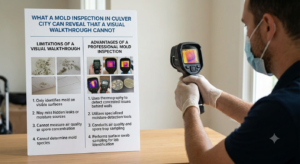
Indoor air quality plays a major role in overall health, yet many people overlook one of the most common environmental hazards found inside homes and workplaces: mold. Mold exposure symptoms often appear slowly and are mistaken for allergies or seasonal illness, allowing problems to worsen over time.
Understanding these warning signs can help you protect your health and living environment early. If you suspect indoor contamination, consulting Fun Guy Inspection & Consulting, Inc. can help identify hidden mold risks before they escalate.
Understanding Mold Exposure and Why It Matters
Mold exposure occurs when microscopic mold spores enter the body through inhalation, skin contact, or ingestion. These spores thrive in damp indoor environments and can spread quickly without visible warning. Recognizing how mold affects health helps individuals respond early and prevent long term environmental and medical complications.
What Is Mold and How Does Exposure Happen?
Mold is a type of fungus that grows in moist conditions such as bathrooms, basements, kitchens, and water damaged areas. Exposure happens when spores become airborne and circulate through ventilation systems, carpets, walls, or furniture, making indoor environments a continuous source of contact.
Who Is Most Vulnerable to Mold Exposure?
Certain individuals experience stronger reactions to mold exposure than others due to immune sensitivity or existing health conditions. Vulnerable groups often experience symptoms faster and more intensely, making early awareness especially important for maintaining safe indoor environments.
- Children and infants with developing immune systems
- Older adults with respiratory sensitivity
- Individuals with asthma or allergies
- People with weakened immune systems
- Those living in damp or water damaged homes
Early Mold Exposure Symptoms Most People Overlook
Early mold exposure symptoms often resemble common illnesses, causing many individuals to ignore them. Because symptoms develop gradually, people may not connect health changes to indoor environmental factors, allowing exposure to continue unnoticed for extended periods.
Respiratory Symptoms Linked to Mold Exposure
Respiratory irritation is one of the earliest indicators of mold exposure. Mold spores irritate airways and trigger inflammatory responses, especially in enclosed indoor spaces with poor ventilation or persistent humidity.
- Frequent coughing or throat irritation
- Sneezing and nasal congestion
- Shortness of breath
- Wheezing sounds while breathing
- Increased sensitivity to dust or odors
Skin and Eye Irritation Symptoms
Mold exposure can affect sensitive tissues such as skin and eyes. Direct or airborne exposure may trigger irritation even without visible mold growth, especially in individuals prone to allergies or environmental sensitivities.
- Red or itchy eyes
- Skin rashes or irritation
- Burning sensation in eyes
- Dry or flaky skin patches
- Increased skin sensitivity indoors
Persistent Allergy Like Reactions
Many people believe they have seasonal allergies when mold exposure is the true cause. Symptoms that persist indoors or worsen at home often indicate environmental triggers rather than outdoor allergens.
- Runny or blocked nose
- Post nasal drip
- Frequent headaches
- Sinus pressure
- Ongoing throat discomfort
Serious Mold Exposure Symptoms You Should Never Ignore
As exposure continues, symptoms may become more severe and begin affecting multiple body systems. Ignoring these warning signs increases the risk of chronic health issues and prolonged environmental contamination.
Chronic Sinus and Lung Issues
Long term mold exposure can inflame respiratory tissues and worsen existing breathing conditions. Persistent symptoms often indicate continuous exposure rather than temporary illness.
- Recurring sinus infections
- Chronic coughing episodes
- Chest tightness
- Difficulty breathing during sleep
- Increased asthma flare ups
Neurological and Cognitive Symptoms
Some individuals report neurological effects linked to prolonged exposure, especially in environments with significant mold contamination. These symptoms may be subtle at first but gradually interfere with daily functioning.
- Brain fog or confusion
- Difficulty concentrating
- Memory issues
- Dizziness or lightheadedness
- Increased sensitivity to light or sound
Fatigue and Immune System Changes
Mold exposure can stress the immune system, causing ongoing fatigue and reduced resilience. Many people feel unusually tired without identifying environmental causes contributing to their exhaustion.
- Persistent tiredness
- Weakness without physical exertion
- Frequent minor illnesses
- Slow recovery from colds
- General feeling of discomfort indoors
Long Term Health Effects of Mold Exposure
Prolonged exposure to mold may lead to lasting health complications if environmental conditions remain untreated. Long term effects vary depending on exposure duration, mold type, and individual sensitivity levels.
Effects on Asthma and Existing Conditions
Individuals with asthma or respiratory disorders often experience worsening symptoms in mold contaminated environments. Continuous exposure increases inflammation, making breathing conditions harder to manage and reducing overall quality of life over time.
Potential Toxic Mold Complications
Certain mold species produce mycotoxins that may trigger stronger biological responses. While reactions differ between individuals, extended exposure can contribute to chronic inflammation, respiratory distress, and ongoing health discomfort when contamination remains unresolved.
Signs Mold May Be Present in Your Home or Workplace
Recognizing environmental warning signs helps connect health symptoms with potential indoor causes. Mold is not always visible, which makes awareness of indirect indicators essential for early detection and prevention.
Visual and Structural Warning Signs
Visible damage often signals moisture problems that allow mold growth. Even small signs can indicate larger hidden contamination behind surfaces or inside building materials.
- Dark spots on walls or ceilings
- Peeling paint or wallpaper
- Water stains or discoloration
- Warped flooring or drywall
- Condensation around windows
Hidden Mold Indicators You Should Not Ignore
Many mold problems remain concealed behind walls or ventilation systems. Non visible clues often provide the earliest evidence of indoor contamination affecting air quality.
- Persistent musty odor
- Symptoms improving when leaving home
- Recent water leaks or flooding
- Increased indoor humidity
- HVAC systems spreading odors
When Mold Symptoms Mean You Need Professional Inspection
There comes a point when recurring symptoms and environmental clues require professional evaluation. Mold testing identifies contamination sources and helps determine the severity of exposure risks within indoor spaces.
Why DIY Detection Often Fails
Home testing kits may miss hidden mold colonies or fail to measure airborne spore levels accurately. Without professional tools and environmental analysis, individuals may underestimate the extent of contamination and delay necessary corrective action.
What Professional Mold Inspection Involves
Professional inspections evaluate air quality, moisture sources, and structural conditions contributing to mold growth. Specialists use advanced testing methods to locate hidden contamination and provide reliable data for informed decision making.
Take Action Today with Fun Guy Inspection & Consulting, Inc.
If mold exposure symptoms are affecting your home or workplace, taking action early can help protect both health and property. At Fun Guy Inspection & Consulting LLC, we provide commercial and residential inspection services specializing in mold detection and environmental consulting. We are certified by IESO and the Indoor Air Quality Council, allowing us to follow recognized industry standards during every inspection.
Our team includes Industrial Hygienists, Certified Industrial Hygienists, contraction specialists, and microbiologists who use up to date and reliable mold inspection techniques during investigations.
As a fully insured mold testing company, we focus on delivering accurate assessments that help you understand your indoor environment clearly. We work closely with our clients to identify potential contamination sources and provide dependable insights based on professional analysis.
Reach out to us today to schedule an inspection and take the first step toward improving your indoor air quality.
How to Reduce Mold Exposure Risks at Home
Preventing mold growth focuses on controlling moisture and maintaining healthy indoor air conditions. Simple environmental adjustments can significantly reduce exposure risks and improve long term indoor safety.
Moisture Control Strategies
Managing moisture prevents mold from developing in hidden areas. Consistent monitoring of humidity and water sources plays a critical role in maintaining mold resistant environments.
- Fix leaks immediately
- Use exhaust fans in kitchens and bathrooms
- Maintain indoor humidity below recommended levels
- Dry wet materials quickly
- Inspect basements and crawl spaces regularly
Indoor Air Quality Best Practices
Improving airflow and cleanliness reduces airborne mold spores and supports healthier breathing conditions inside residential and commercial spaces.
- Increase natural ventilation when possible
- Replace HVAC filters regularly
- Clean air ducts when necessary
- Avoid carpet in damp areas
- Use dehumidifiers in humid climates
Conclusion: Take Mold Exposure Symptoms Seriously
Mold exposure symptoms should never be dismissed as minor discomfort. Early signs often provide critical warnings about indoor environmental conditions that require attention. Recognizing symptoms, identifying environmental clues, and seeking professional evaluation when needed helps protect both health and property from long term damage.
Frequently Asked Questions (FAQs)
1. What are the first signs of mold exposure?
Early symptoms typically include sneezing, coughing, nasal congestion, eye irritation, and mild headaches that persist indoors or improve when leaving the affected environment.
2. Can mold exposure cause long term health problems?
Yes, prolonged exposure may worsen respiratory conditions, trigger chronic inflammation, and contribute to ongoing fatigue or sinus issues depending on individual sensitivity.
3. How quickly do mold symptoms appear?
Symptoms can appear within hours for sensitive individuals, while others may develop reactions gradually after weeks or months of continuous exposure.
4. Can mold exposure affect healthy individuals?
Even healthy individuals may experience irritation or respiratory discomfort when exposed to elevated mold spore levels for extended periods.
5. When should I get a mold inspection?
A professional inspection is recommended when symptoms persist indoors, musty odors are present, or there has been recent water damage or unexplained health discomfort linked to indoor spaces.