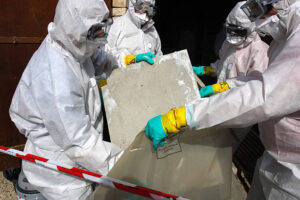
After finishing an expensive mold remediation project, it is only natural to wonder—is my home really safe now? This is where mold remediation clearance testing comes in.
Clearance testing after mold remediation is the final step that confirms the cleanup was successful. It checks whether mold levels are back to normal and ensures your home’s air quality is safe to breathe. Without it, you’re left guessing about the effectiveness of the remediation.
In this guide, we’ll break down:
- What mold clearance testing is and how it works
- Why clearance testing matters for homeowners, businesses, and landlords
- What happens during the testing process
- Common questions like whether filters should be off during clearance testing
By the end, you’ll understand why mold remediation clearance testing isn’t just an extra step—it’s your proof of a healthy, mold-free environment.
What Is Mold Remediation Clearance Testing?
Mold remediation clearance testing is the final step in confirming whether mold cleanup was successful. Once remediation is complete, this test checks if the space is safe to use again.
Here’s what it involves:
- Visual inspection – ensuring there are no visible signs of mold.
- Air sampling – measuring mold spore levels in indoor air.
- Surface testing – swabbing or lifting samples from surfaces for lab analysis.
- Comparison to normal levels – results are measured against typical background spore counts.
The outcome is usually documented in a mold remediation report, which provides evidence that the area has been properly cleared or highlights if further action is needed.
Why Is Clearance Testing After Mold Remediation Important?
Completing mold cleanup doesn’t always guarantee that a property is safe. That’s why clearance testing after mold remediation is so important. It serves as proof that the environment is healthy and that mold is no longer a hidden threat.
Key reasons clearance testing matters include:
- Protecting health – Mold spores can trigger allergies, asthma, and other respiratory issues. Testing ensures that the air quality is safe before people move back in.
- Confirming successful remediation – Even after visible mold is removed, spores may linger. Clearance testing verifies that cleanup was thorough.
- Providing documentation – A mold remediation report can be useful for insurance claims, real estate transactions, or rental agreements.
- Avoiding costly rework – Catching residual mold early prevents future growth and additional expenses.
For a deeper look at what happens once remediation is complete, see this guide on post mold remediation inspection.
The Mold Clearance Testing Process
Mold remediation clearance testing follows a clear, step-by-step process. Here’s how it typically works:
Step 1 – Visual Inspection
- The inspector checks for visible mold, moisture, or damage.
- They look at walls, ceilings, HVAC systems, and hidden areas.
- This helps identify spots that need air or surface testing.
Step 2 – Air and Surface Sampling
- Air samples: Captured using specialized pumps. They measure mold spores in the air.
- Surface samples: Taken with swabs or tape lifts from walls, floors, or other surfaces.
- These tests help detect mold where it can’t be seen.
Step 3 – Laboratory Analysis
- Samples are sent to an accredited lab.
- The lab counts spores and identifies mold types.
- Results are compared to baseline or reference levels to check safety.
Step 4 – Clearance Report
- The final report includes:
- Lab results, spore counts, and mold types
- Notes on visible issues from the inspection
- A statement on whether the space passes or fails clearance testing
- This mold remediation report is your documentation of successful clearance. It also shows what needs more work.
If you’d like to learn more about how mold testing fits into the overall inspection process, check out this page on mold testing services.
Should Filters Be Off for Mold Remediation Clearance Testing?
During clearance testing, controlling airflow is key. Improper air movement can skew results and hide the true level of mold spores.
Best Practices from Industry Experts
- Air scrubbers (also called negative air machines or NAMs) should generally be turned off before clearance testing. They may interfere with air sampling accuracy. According to experienced professionals, air scrubbers should be turned off at least 1 hour before testing—some even recommend 24 hours to be safe.
- HEPA-filtered air filtration devices (AFDs) should also be turned off at least 24 hours before environmental sampling, according to remediation protocol advice.
Why Turning Filters Off Matters
- Prevents skewed results: Air scrubbers clean the air continuously. That makes it unlikely to capture typical spore levels, which could lead to a false “pass.”
- Reflects normal conditions: Testing should reflect natural air conditions—how the room will be when you actually occupy it.
- Consistency with standards: Many guidelines emphasize evaluating spaces under realistic conditions—without artificial air cleaning.
Simple Homeowner Guidance
Before clearance testing, it’s smart to:
- Turn off air scrubbers or negative air machines (NAMs) at least 1–24 hours beforehand.
- Stop any HEPA filtration units or high-efficiency HVAC filters from running before sampling.
- If unsure, ask your inspector when they recommend shutting off these devices.
How to Prepare for Post Mold Remediation Testing
Good preparation means more accurate results. Following a few simple steps helps make clearance testing smooth and reliable.
Preparation Tips from the Experts
Here’s what reliable sources suggest:
- Document the cleanup process
A post-remediation assessment confirms whether cleanup was effective. A clearance report certifies that visible mold is gone and the cleanup meets the plan’s criteria - Wait before testing
Test only after the area is clean, dry, and moisture issues are resolved. If not, hidden dampness can skew results or lead to repeat remediation. - Follow recognized standards
Use guidance from the IICRC’s S500 and S520 standards for water damage restoration and mold remediation to structure your prep steps.
Preparing Your Space Step by Step
Start with these simple tasks:
- Complete all cleanup work — ensure no mold remains, and repair sources of moisture.
- Dry the space thoroughly — check that humidity is under 60%.
- Keep containment materials in place — only remove after testing if the inspector advises it.
- Don’t disturb the area before testing — avoid vacuuming, dusting, or fogging.
- Ensure airflow is natural — shut off air scrubbers and HVAC filters well before sampling.
- Let the inspector guide the timing — they decide when conditions are right for testing.
For a helpful overview of how mold assessments go beyond checklists, see Why Mold Inspections Are More Than Just a Checklist. It highlights the value of thorough inspections and how each step contributes to a safe, lasting result.
Common Issues Found During Clearance Testing
Clearance testing sometimes reveals that remediation isn’t fully complete. Common issues include:
- Residual mold spores – Air or surface samples may show higher-than-normal spore counts.
- Moisture problems – Damp surfaces or high humidity can allow mold to regrow.
- Hidden contamination – Mold can remain inside walls, HVAC systems, or under flooring.
- Incomplete removal – Building materials that were not properly cleaned or replaced may still harbor mold.
When these issues appear, inspectors usually recommend additional remediation or re-testing to confirm the problem has been resolved.
Mold Clearance Testing Third-Party Labs los Angeles
Mold remediation clearance testing is more than a final checkbox—it’s your assurance that a property is safe, dry, and free from harmful mold levels. Without it, there’s no way to confirm whether remediation truly solved the problem. Clearance testing provides the evidence you need for peace of mind, health protection, and proper documentation for insurance or real estate needs.
For expert testing and inspections, trust Fun Guy Inspection & Consulting. With certified industrial inspectors and years of experience in mold detection, indoor air quality testing, and post-remediation clearance inspections, our team provides accurate, science-based results you can rely on.
Contact Us for more information or to schedule an inspection and make sure your space is truly safe.
Also Read:
To dive deeper into related topics and enhance your understanding, check out these insightful blog posts:
- Why Mold Inspections Are More Than Just a Checklist
- Post Mold Remediation Inspection: What Comes Next
- Protect Yourself: Avoiding Scams During Post-Disaster Recovery
- Real Estate Mold Inspection Services in Valencia, Los Angeles, and Ventura Counties
- Free Mold Evaluation: The Truth Behind No-Cost Assessments