Water damage is one of the most common issues homeowners face, yet its hidden impact often goes unnoticed. When moisture enters your home, it creates the perfect environment for bacteria to grow.
Over time, this can affect both your property and your health. If you suspect water damage or contamination, it is wise to consult Fun Guy Inspection & Consulting, Inc. to better understand your indoor conditions and take the right steps toward a safer living space.
Understanding the Link Between Water Damage and Bacteria Growth
Water damage introduces excess moisture into building materials and indoor air. This moisture creates a suitable environment for bacteria to thrive. Without proper drying and cleaning, bacteria multiply quickly, increasing the risk of contamination and potential health concerns for occupants.
What Happens After Water Enters Your Home
When water enters your home, it seeps into porous materials like wood, drywall, and insulation. These materials retain moisture, which becomes difficult to remove. As moisture lingers, it creates ideal conditions for bacteria and other microorganisms to grow and spread.
Why Moisture Creates Ideal Conditions for Bacteria
Bacteria require moisture, warmth, and organic material to grow. Homes provide all of these elements, especially after water damage. Damp surfaces and trapped humidity allow bacteria to multiply rapidly, often within hours, making timely intervention essential for maintaining a safe environment.
Common Causes of Water Damage in Residential Properties
Water damage can result from various sources, many of which are preventable. Understanding these causes helps homeowners take proactive measures. Identifying and addressing these issues early reduces the risk of bacterial growth and long term structural damage within the home.
Plumbing Leaks and Pipe Failures
Leaking pipes and plumbing failures are among the leading causes of water damage. Even small leaks can lead to significant moisture buildup over time. If left unaddressed, these hidden leaks create an environment where bacteria can grow and spread unnoticed.
Flooding and Heavy Rainfall
Flooding from heavy rainfall can introduce large amounts of water into your home. This type of water often carries contaminants, increasing the risk of bacterial growth. Proper cleanup and drying are critical to prevent long term indoor air quality issues.
Roof Leaks and Structural Issues
Damaged roofs and structural gaps allow water to enter during storms. Over time, this leads to moisture accumulation in ceilings and walls. These damp areas become breeding grounds for bacteria, especially if repairs are delayed or incomplete.
How Quickly Bacteria Develop After Water Damage
Bacteria can begin to grow soon after water exposure. The speed of growth depends on temperature, humidity, and the type of materials affected. Acting quickly after water damage is essential to limit bacterial contamination and prevent further complications.
Timeline of Bacterial Growth in Damp Environments
Bacteria can start multiplying within 24 to 48 hours in damp conditions. As time passes, the contamination spreads deeper into materials. Without proper intervention, bacterial levels can increase rapidly, making cleanup more difficult and costly.
Areas Most Affected by Rapid Contamination
Certain areas in the home are more vulnerable to bacterial growth. Basements, bathrooms, and kitchens often have higher humidity levels. Hidden spaces like wall cavities and under flooring also trap moisture, allowing bacteria to develop unnoticed.
Types of Bacteria Found After Water Damage
Different types of bacteria can develop depending on the source of water damage. Some are less harmful, while others pose serious health risks. Understanding these differences highlights the importance of proper assessment and testing bacteria in affected areas.
Bacteria from Clean Water Sources
Clean water sources, such as broken supply lines, may introduce fewer contaminants initially. However, if not addressed quickly, this water can become contaminated over time. Stagnant moisture allows bacteria to grow, turning a minor issue into a larger concern.
Bacteria from Gray Water Exposure
Gray water comes from sources like sinks, washing machines, and showers. It contains moderate levels of contaminants. When gray water remains in the home, it provides nutrients for bacteria, increasing the likelihood of indoor contamination.
Harmful Bacteria from Black Water Contamination
Black water is highly contaminated and includes sewage or floodwater. It contains dangerous bacteria that pose serious health risks. Immediate professional intervention is necessary to remove contamination and restore safe living conditions.
Signs That Water Damage Has Led to Bacterial Growth
Recognizing the signs of bacterial growth helps homeowners act quickly. Many indicators are visible or noticeable through changes in the indoor environment. Paying attention to these signs can prevent further damage and protect your health.
Persistent Odors and Indoor Air Changes
Unpleasant or musty odors often signal bacterial growth. These smells develop as bacteria break down organic materials. If odors persist despite cleaning, it may indicate deeper contamination that requires professional evaluation and testing bacteria.
Visible Damage and Discoloration
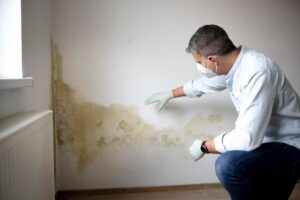
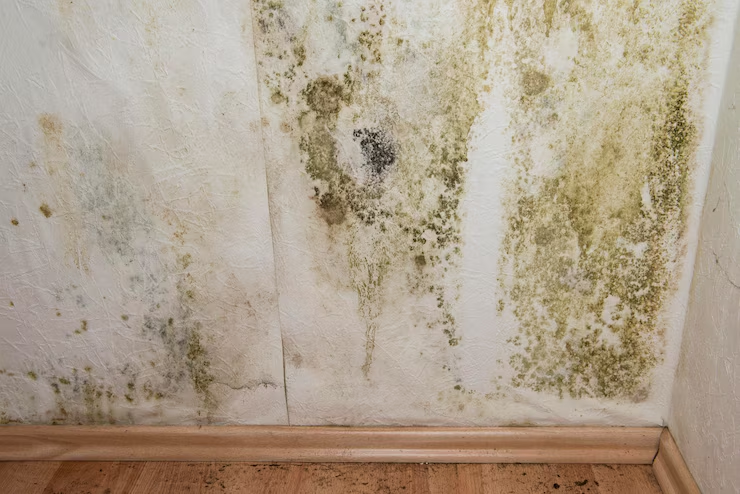
Water stains, discoloration, and warped materials are clear signs of moisture problems. These visible changes often accompany bacterial growth. Ignoring them can allow contamination to spread, affecting both the structure of your home and indoor air quality.
Health Symptoms Among Occupants
Residents may experience symptoms such as coughing, sneezing, or irritation. These issues can be linked to poor indoor air quality caused by bacteria. If symptoms persist, it is important to investigate potential environmental causes within the home.
- Musty or unpleasant smells
- Increased humidity levels
- Frequent respiratory discomfort
- Visible staining or mold growth
Health Risks Associated with Bacteria After Water Damage
Bacteria resulting from water damage can impact health in various ways. The severity depends on exposure levels and individual sensitivity. Addressing these risks early helps maintain a safe and healthy indoor environment for all occupants.
Short Term Health Effects
Short term exposure to bacteria may cause mild symptoms such as headaches, fatigue, and irritation. These symptoms can disrupt daily life and indicate poor indoor air quality. Prompt action can help reduce these effects and improve overall comfort.
Long Term Exposure Risks
Long term exposure can lead to more serious health concerns. Chronic respiratory problems and weakened immune responses may develop over time. Vulnerable individuals, including children and older adults, are especially at risk from prolonged exposure.
Why Testing Bacteria Is Essential After Water Damage
Testing bacteria is a critical step in understanding the extent of contamination. It helps identify hidden issues that may not be visible. Accurate testing ensures that cleanup efforts are effective and that your home is safe for occupancy.
Identifying Hidden Contamination
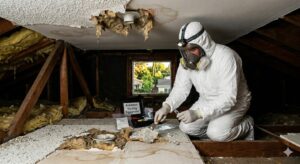
Bacteria often grow in areas that are not easily visible. Testing allows professionals to detect contamination in hidden spaces such as behind walls or under flooring. This ensures that no affected areas are overlooked during the cleanup process.
Ensuring Proper Cleanup and Safety
Testing bacteria confirms whether remediation efforts have been successful. It provides reassurance that your home is free from harmful contaminants. This step is essential for restoring a safe and healthy indoor environment after water damage.
Methods Used for Testing Bacteria in Homes
Various methods are used to test for bacteria in residential settings. These methods provide detailed insights into contamination levels. Professional testing ensures accurate results and helps guide effective remediation strategies.
Air Sampling Techniques
Air sampling collects particles from indoor air to measure bacterial levels. This method helps identify airborne contaminants that may affect health. It is especially useful for detecting issues that are not visible to the naked eye.
Surface Testing and Analysis
Surface testing involves collecting samples from affected areas. These samples are analyzed to determine the type and concentration of bacteria present. This information helps guide targeted cleaning and disinfection efforts.
Preventing Bacteria Growth After Water Damage
Preventing bacterial growth requires quick action and consistent maintenance. Taking the right steps immediately after water damage can significantly reduce the risk of contamination. Long term prevention focuses on controlling moisture and maintaining a clean environment.
Immediate Water Removal and Drying
Removing water quickly is the first step in preventing bacterial growth. Drying affected areas within a short time frame limits moisture exposure. This reduces the chances of bacteria developing and spreading throughout the home.
Moisture Control and Ventilation
Controlling humidity levels is essential for maintaining a healthy indoor environment. Proper ventilation allows moisture to escape and prevents buildup. Using dehumidifiers can further reduce humidity and limit bacterial growth.
Regular Inspection and Maintenance
Routine inspections help identify potential issues before they worsen. Checking for leaks and maintaining systems ensures that moisture problems are addressed early. This proactive approach reduces the likelihood of future contamination.
- Dry affected areas within 24 to 48 hours
- Use dehumidifiers to control moisture
- Inspect hidden areas for dampness
- Maintain proper airflow indoors
Fun Guy Inspection & Consulting, Inc.
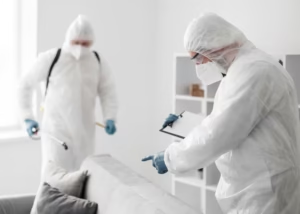
Fun Guy Inspections can confirm the presence or absence of bacteria in your home following a black water or category 3 water intrusion. Professionals use the standards dictated by the IICRC s500 to properly clean bacteria from the surface of the building materials.
Often, anti microbial solutions are used to disinfect materials that can not be removed. If your home has experienced water damage, taking the next step with proper evaluation is essential.
Contact Fun Guy Inspection & Consulting, Inc. today to ensure your indoor environment is safe and properly restored.
Final Thoughts
Water damage can quickly lead to bacterial growth if not handled properly. Understanding the risks and taking timely action helps protect your home and health. Testing bacteria provides clarity and ensures that your indoor environment remains safe and comfortable.
Frequently Asked Questions (FAQs)
Q1: Why does water damage lead to bacteria growth in homes?
Water damage creates moisture that bacteria need to grow. When materials remain damp, bacteria multiply quickly. Without proper drying and cleaning, this growth can spread and affect indoor air quality and overall health conditions.
Q2: How quickly can bacteria grow after water damage?
Bacteria can begin growing within 24 to 48 hours after water exposure. The speed depends on temperature and humidity levels. Quick action is important to limit growth and prevent contamination from spreading further.
Q3: What types of bacteria are found after flooding?
Flooding can introduce various types of bacteria, including harmful ones from contaminated water. Black water sources often contain the most dangerous bacteria, requiring immediate professional cleanup and proper testing to ensure safety.
Q4: Why is testing bacteria important after water damage?
Testing bacteria helps identify hidden contamination that may not be visible. It ensures that cleanup efforts are effective and confirms whether your home is safe for occupancy after water damage has occurred.
Q5: Can bacteria be completely removed after contamination?
Yes, bacteria can be removed with proper cleaning and disinfection methods. Professionals follow industry standards to ensure thorough removal. Preventive measures such as moisture control also help maintain a safe indoor environment.