By Robert Santanastasio
Founder & Lead Inspector, Fun Guy Inspection & Consulting
One of the most frustrating phone calls I get from both tenants and property owners involves the exact same story: “Maintenance fixed a leak two months ago, painted over the wall, and now the mold is back in the exact same spot.”
When mold repeatedly returns to the same room, baseboard, or ceiling patch after repairs, it usually indicates that the initial response addressed the cosmetic symptom rather than the underlying environmental issue. Guidelines from the U.S. Environmental Protection Agency (EPA) and environmental standards outlined by the American Conference of Governmental Industrial Hygienists (ACGIH) emphasize that mold remediation is incomplete unless moisture source control and proper material removal are fully achieved.
As an independent environmental inspection firm, Fun Guy Inspection & Consulting does not perform mold removal or water restoration work. We focus exclusively on objective diagnostic testing, thermal moisture tracking, and post-remediation verification.
Here is an insider look into why quick cosmetic repairs fail to solve recurring mold, and how an independent inspection breaks the cycle.
The Core Problem: Why Paint and Bleach Never Stop Mold
When water leaks into a building structure, it saturates porous building materials like drywall, insulation, subflooring, and wood framing studs.
If maintenance simply wipes down the surface with bleach or applies a coat of stain-blocking primer, the structural core inside the wall assembly remains damp.
1. Bleach Does Not Penetrate Porous Substrates
Standard household bleach is mostly water mixed with sodium hypochlorite. When applied to porous materials like drywall or wood, the chlorine stays on the surface while the water component soaks deeper into the material. This effectively feeds the microscopic hyphae (root structures) of the mold colony beneath the surface.
2. Paint Traps Moisture Inside the Cavity
Stain-blocking primers and anti-mold paints seal the outer surface face, but they do not dry out saturated insulation or framing inside the wall cavity. Trapped moisture continues to decompose organic paper backings on drywall, forcing fungal growth back through fresh paint layers within weeks.
3. Microscopic Spores Remain Active
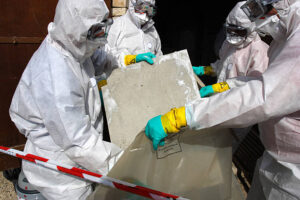
Without establishing negative pressure containment and using HEPA air filtration during material removal, disturbance of moldy drywall releases millions of microscopic spores throughout the apartment HVAC ductwork, leading to cross-contamination in adjoining rooms (read more on our professional mold inspector California service page).
4 Reasons Moisture Persists After a “Fixed” Leak
When a leak is supposedly fixed but mold keeps returning, our diagnostic inspections typically uncover one of four hidden technical issues:
Slow Secondary Leaks: The primary pipe fitting was tightened, but a slow pinhole leak or failing drain pan continues to weep water behind the wall.
Saturated Subflooring & Insulation: The plumbing line was repaired, but wet fiberglass insulation or OSB subflooring inside the floor cavity was left untouched to dry naturally.
Condensation & Relative Humidity Drops: In cold corners or near uninsulated exterior walls, elevated indoor relative humidity (above 60%) causes continuous micro-condensation on cold drywall surfaces.
Structural Envelope Failures: The interior plumbing was fixed, but flashing defects or exterior stucco cracks allow rainwater to intrusion at the exact same location (see how we evaluate regional residential structures on our Woodland Hills mold inspection pricing overview).
When to Call an Independent Certified Mold Inspector
Continuing to repeat surface cleaning cycles creates ongoing tenant frustration, potential health concerns, and compounding structural damage. You should bring in an independent, third-party inspector when:
Mold Reappears Within 30 to 90 Days: A recurring spot indicates an uncorrected moisture differential or unremoved internal contamination.
The Origin Is Unknown: Infrared thermal imaging and non-invasive moisture meters are needed to map hidden moisture plumes behind tile or drywall (explore our diagnostic approach on our Moorpark mold testing and inspection guide).
Health or Liability Concerns Exist: Objective baseline air quality testing establishes scientific proof of indoor spore counts versus outdoor background levels.
Disputes Over Tenant Liability: Clear investigative data clarifies whether structural water intrusion or indoor humidity factors are driving the issue (learn more in our analysis on tenant bathroom habits and mold liability).
The Path to a Permanent Solution
Solving recurring mold requires moving from quick surface fixes to systematic environmental diagnostics:
[1. Moisture Mapping] ➔ [2. Fix Water Source] ➔ [3. Remove Saturated Material] ➔ [4. Independent PRV Clearance] Perform Infrared Moisture Mapping: Locate the full perimeter of wet building materials using thermal imaging and calibrated moisture meters.
Fix the True Root Moisture Source: Address internal plumbing, HVAC condensation drains, or exterior envelope intrusion.
Remove Damaged Materials Under Containment: Cut out and replace impacted drywall and insulation beyond the damp perimeter.
Require Independent Clearance Verification: Have a non-remediating certified inspector perform visual checks and air sampling before declaring the unit fully restored (review our corporate testing credentials via the Fun Guy certified mold inspectors Los Angeles page).
By addressing structural moisture at the root and confirming results through independent assessment, property owners and tenants can permanently break the cycle of recurring mold.