Why Asbestos Should Be Considered Before Renovation
Renovating an older home in Valencia can be an exciting opportunity to improve comfort, functionality, and property value. However, homeowners should consider the possibility of asbestos-containing materials before beginning demolition, remodeling, or structural changes. Asbestos was widely used in many construction products because of its strength, heat resistance, and durability. Materials containing asbestos may be present in insulation, flooring, roofing, siding, drywall compounds, cement products, and other building components. When these materials remain intact and undisturbed, they may not present the same exposure concern as damaged or disturbed materials. At Fun Guy Inspections, we recommend addressing potential asbestos materials before renovation work begins so homeowners can make informed decisions about their projects.
When Valencia Homes May Require Extra Attention
The age of a property can be an important factor when determining whether asbestos should be considered during renovation planning. Homes and buildings constructed or remodeled during periods when asbestos-containing products were commonly available may contain materials that require further evaluation. Even a relatively small renovation can disturb hidden materials behind walls, beneath flooring, above ceilings, or around mechanical systems. Previous remodeling projects can also complicate the situation because older materials may have been covered rather than removed. Homeowners should therefore avoid assuming that a remodeled appearance means the underlying materials are asbestos-free. A professional inspection can help identify areas that deserve additional attention before construction activities begin.
Start With a Renovation Material Review
Before removing walls, flooring, ceilings, cabinets, insulation, or other components, homeowners should create a clear picture of which materials will be disturbed. This involves reviewing the renovation plans and identifying every area where demolition, drilling, cutting, sanding, or other physical work will occur. Materials that appear ordinary may still require evaluation because asbestos is not reliably identifiable by appearance alone. Particular attention should be given to older flooring materials, adhesives, insulation, textured surfaces, roofing products, and cement-based components. The inspection process should focus on materials that could become damaged as contractors complete the planned work. This approach helps homeowners address potential asbestos concerns before renovation activities create unnecessary disturbance.
Flooring and Adhesives Should Not Be Overlooked
Older flooring systems can contain asbestos in tiles, sheet flooring, backing materials, or adhesives used to secure them to the underlying surface. Some resilient floor tiles and associated adhesives can remain in place for decades without obvious signs that asbestos-containing materials are present. Renovation work can become a concern when flooring is scraped, broken, sanded, drilled, or removed without appropriate evaluation. Homeowners should also consider materials underneath newer flooring because later installations may have covered older products instead of replacing them. Removing several layers of flooring can therefore expose materials that were not visible during a normal walkthrough. We recommend including flooring systems and their associated adhesives in the inspection scope whenever renovation plans involve their disturbance.
Walls, Ceilings, and Textured Surfaces
Wall and ceiling materials should also be considered when planning an asbestos inspection for an older property. Potential asbestos-containing materials may occur in certain joint compounds, textured finishes, insulation products, and other components used during construction or remodeling. Cutting openings for electrical work, plumbing, recessed lighting, ventilation, or structural modifications can disturb these materials. Even a renovation that appears limited to one room may involve connected wall and ceiling systems throughout the property. Homeowners should communicate their renovation plans clearly so the inspection can focus on areas that contractors are likely to disturb. Identifying concerns before work starts provides an opportunity to determine whether additional assessment or specialized procedures are appropriate.
Insulation and Mechanical Areas
Insulation around pipes, ducts, boilers, furnaces, and other mechanical systems can deserve particular attention during renovation planning. Some older insulation products were manufactured using asbestos because of its heat resistance and insulating properties. Disturbing deteriorated insulation can potentially release fibers into the surrounding environment, making professional evaluation especially important before mechanical upgrades or demolition. Homeowners should avoid handling suspicious insulation themselves simply to determine what it contains. Areas behind walls, inside crawl spaces, and around utility systems may also contain materials that are difficult to identify during a casual inspection. A professional assessment can help determine which materials require further investigation before renovation work proceeds.
Roofing, Siding, and Exterior Materials
Exterior renovation projects can also involve materials that deserve asbestos consideration, particularly on older homes. Certain roofing products, siding materials, cement products, and other exterior components were historically manufactured with asbestos. Projects involving roof replacement, siding removal, additions, window modifications, or exterior structural changes may disturb these materials. Weathering and age can make some exterior products more fragile, although appearance alone does not establish whether a material contains asbestos. Homeowners should include exterior areas in the renovation assessment when planned work will involve cutting, drilling, breaking, or removing existing materials. Understanding the materials involved can help homeowners and contractors plan the renovation with appropriate precautions.
Do Not Rely on Visual Identification
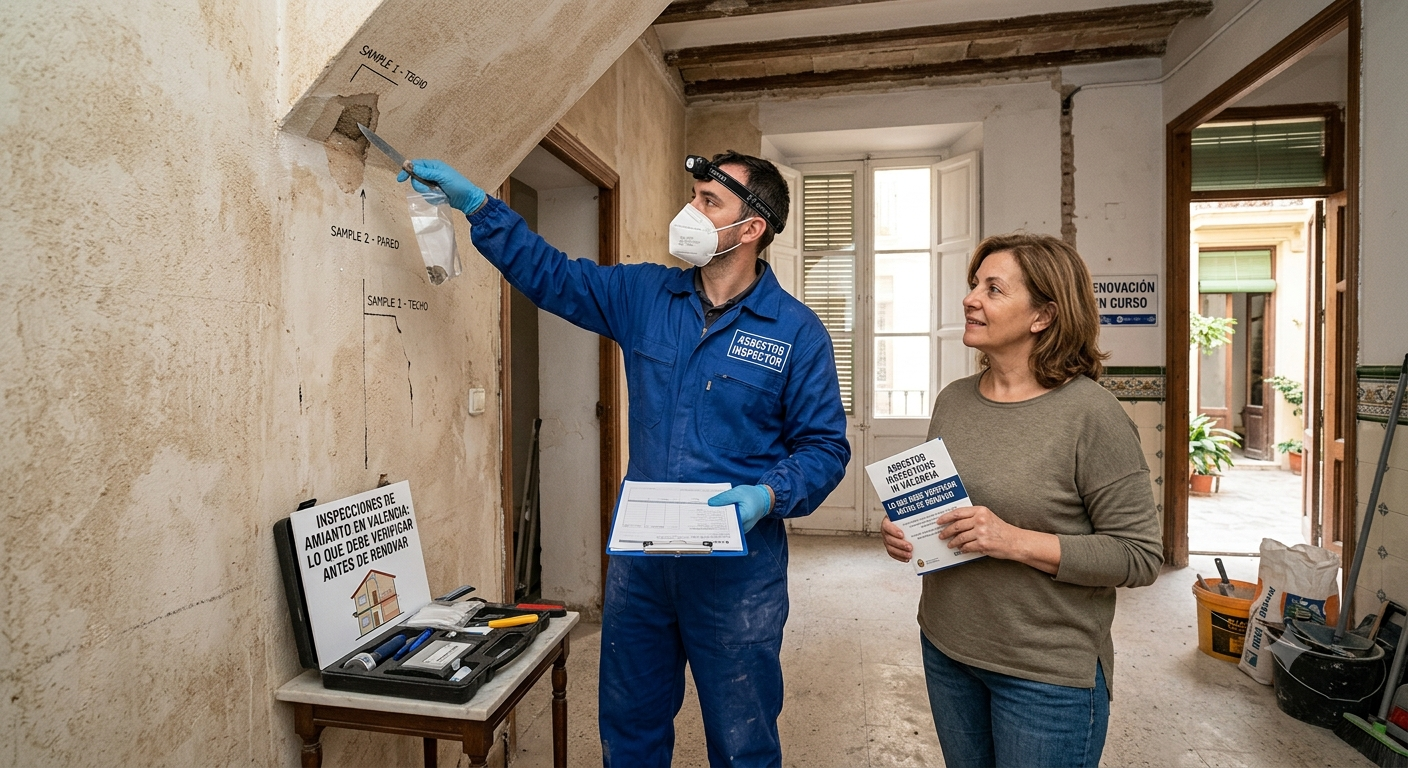
One of the most important things homeowners should understand is that asbestos cannot reliably be confirmed simply by looking at a material. Materials that look completely ordinary can potentially contain asbestos, while unusual-looking materials may not contain it. Age, appearance, color, texture, and construction style can provide useful context but cannot replace appropriate evaluation. When a material requires confirmation, sampling and laboratory analysis may be used according to applicable procedures. Homeowners should avoid scraping, breaking, sanding, or otherwise disturbing questionable materials merely to obtain a closer look. Our inspection process is designed to help homeowners understand where potential concerns exist and what steps may be appropriate before renovation begins.
Why Pre-Renovation Inspections Matter
An asbestos inspection performed before renovation can help identify potential concerns while materials are still undisturbed. This timing is important because renovation activities can make previously concealed materials accessible or cause them to become damaged. Discovering a potential asbestos issue after demolition has already started can create unexpected project delays and additional planning requirements. Early assessment also gives homeowners an opportunity to communicate relevant information to contractors before work begins. The findings can be considered alongside the renovation scope so that appropriate decisions can be made before materials are disturbed. Fun Guy Inspections helps homeowners approach renovation planning with clearer information about materials that may require additional attention.
What Homeowners Should Ask During an Inspection
Homeowners should ask what areas will be evaluated and whether the inspection covers materials that will actually be disturbed by the planned renovation. They should also ask whether suspect materials require sampling and how laboratory analysis is handled when testing is necessary. It is useful to provide the inspector with renovation plans, contractor information, and details about planned demolition or remodeling activities. Homeowners should also ask whether additional areas need to be assessed because of connections between rooms, building systems, or concealed materials. Clear communication can make the inspection more relevant to the specific project rather than treating the property as a collection of unrelated surfaces. A detailed discussion before the inspection can help ensure that important renovation-related materials are not overlooked.
Working With Contractors After the Inspection
Inspection information should be communicated to contractors before renovation work begins whenever the findings affect planned activities. Contractors can then understand which materials may require additional procedures, restrictions, or professional handling based on the applicable requirements. Homeowners should not assume that a contractor will automatically know which materials have been identified during a previous inspection. Providing relevant inspection documentation can help establish a clearer communication process between the homeowner, inspector, and renovation team. If additional asbestos-related work is necessary, homeowners should make sure it is handled by appropriately qualified professionals under applicable regulations. This coordination can reduce confusion and help keep the renovation process organized from the beginning.
Planning a Safer Renovation
Renovating an older Valencia home requires more than choosing finishes, scheduling contractors, and establishing a construction budget. Homeowners should also understand the materials that may be affected by demolition or remodeling activities before construction begins. An asbestos inspection can provide useful information about suspect materials and help homeowners determine whether additional evaluation is appropriate. The inspection should be connected to the actual renovation scope so that areas likely to be disturbed receive appropriate attention. Taking these steps before work starts can help reduce unexpected discoveries and support better project planning. By addressing potential asbestos concerns early, homeowners can move forward with renovation decisions based on information rather than assumptions.
Make Asbestos Assessment Part of Your Renovation Plan
A renovation is an important investment, and material safety should be considered alongside design, construction, and budgeting decisions. Homeowners in Valencia should pay particular attention to older properties and renovation projects that involve demolition or disturbance of existing construction materials. Flooring, insulation, walls, ceilings, roofing, siding, adhesives, and mechanical areas can all warrant consideration depending on the property and renovation scope. Professional inspection and appropriate testing can help determine whether suspect materials require further action before construction begins. Our team at Fun Guy Inspections can help homeowners understand potential asbestos concerns and identify areas that may need closer evaluation before renovation. With proper planning and professional guidance, homeowners can approach their renovation projects with greater awareness of the materials within their property.