A positive asbestos sample does not mean that a property must be abandoned or that every material containing asbestos needs to be removed. It means asbestos has been identified in the material tested, and the next steps should be planned carefully.
An asbestos inspection service can help identify suspect materials before renovation, repair, or demolition work begins. Professional inspection and laboratory testing provide information that property owners and contractors can use to determine how affected materials should be handled.
What Does a Positive Asbestos Sample Mean?
A positive sample generally means that the laboratory detected asbestos in the material submitted for analysis. The result applies to the material and sample that were tested. It does not automatically mean that asbestos is present throughout the entire property.
The location, condition, type of material, and planned work all affect what should happen next. A professional should review the inspection findings before any material is disturbed.
A positive result does not always mean removal
Asbestos-containing material may not require immediate removal if it is intact, left undisturbed, and not creating a current concern. In some circumstances, managing the material in place may be considered.
The appropriate decision depends on the material’s condition, location, accessibility, and whether planned work could disturb it.
The laboratory report is only part of the assessment
A laboratory result provides information about the tested sample. The inspection report provides additional context, such as where the material was located and what condition it was in.
Together, these findings can help determine what needs attention before renovation or other building work proceeds.
Why Asbestos Testing Matters Before Renovation
Renovation can disturb materials that appear ordinary but contain asbestos. Flooring, insulation, ceiling materials, textured coatings, joint compounds, roofing products, siding, and other building components may contain asbestos in older properties.
Testing before work starts gives property owners information about materials that could be affected by the project.
Renovation activities that may disturb suspect materials
Activities that can disturb building materials include:
- Cutting
- Drilling
- Sanding
- Scraping
- Demolition
- Removing flooring
- Altering walls or ceilings
- Opening insulated areas
- Removing old building components
A positive test before renovation allows the project team to account for the affected material instead of discovering the issue after work has already begun.
What Happens After a Positive Test?
The next step is usually to review the positive result in relation to the property’s condition and the planned work. The material should not be disturbed simply because the test result has been received.
A professional may help identify the location of the material, document its condition, and explain what additional steps may be appropriate.
The affected material should be identified
The first practical question is where the positive material is located. The inspection report should identify the sampled material and its location as clearly as possible.
This information helps determine whether the material will be affected by planned repairs or renovation.
The condition of the material should be reviewed
An intact material that will remain undisturbed may require a different response from damaged material that will be removed during construction.
Signs of deterioration, damage, crumbling, or disturbance should be documented and addressed according to the appropriate asbestos management requirements.
When Professional Asbestos Handling May Be Required
Asbestos-containing materials should not be treated like ordinary construction waste. Disturbing them without proper precautions can release asbestos fibers into the air.
Depending on the material and project, specialized asbestos abatement or removal may be required. The exact requirements can depend on the type of work, location, material, and applicable regulations.
Do not disturb a positive material unnecessarily
After receiving a positive result, property owners should avoid drilling, cutting, sanding, scraping, or removing the affected material until the appropriate next step has been established.
Keeping the material undisturbed can reduce the chance of releasing fibers while the project is being evaluated.
Removal is not the only possible management option
In some cases, asbestos-containing material can be managed in place if it is in good condition and will not be disturbed. Other situations may require removal or other controls before construction proceeds.
The decision should be based on the specific material and circumstances rather than a general assumption that every positive result requires complete removal.
How an Asbestos Inspection Supports the Next Decision
An inspection provides more than a laboratory result. It establishes what was examined, where samples were taken, what materials were considered suspect, and what conditions were observed.
For property owners searching for an asbestos inspection company near me, the inspection process can provide useful information before construction or maintenance work begins.
Inspection and laboratory testing work together
A professional assessment may include visual inspection, identification of suspect materials, sample collection, and laboratory analysis.
The laboratory determines whether asbestos was detected in the submitted sample. The inspector can then relate that result to the location and condition of the material.
Sampling should be connected to the project
Sampling is most useful when it addresses a specific concern. An inspector may focus on materials that will be disturbed during planned renovation or areas where asbestos is suspected based on the building’s age and construction materials.
Testing every material in a property may not be necessary. The inspection scope should reflect the reason for the assessment.
Common Materials That May Be Tested for Asbestos
Older properties can contain asbestos in many different building products. The material cannot always be identified reliably through appearance alone.
Professional sampling can help determine whether a suspect material contains asbestos.
| Suspect material | Where it may be found | Why testing may matter |
| Vinyl floor tiles | Floors | Removal may disturb the material |
| Floor adhesives | Beneath flooring | May be exposed during renovation |
| Pipe insulation | Around pipes | Repairs can disturb insulation |
| Ceiling tiles | Ceilings | Replacement can release material |
| Textured coatings | Walls or ceilings | Sanding or scraping can disturb coatings |
| Joint compound | Wall and ceiling joints | Remodeling may disturb the material |
| Roofing materials | Roof systems | Repairs or replacement may affect materials |
| Siding | Exterior walls | Replacement can disturb suspect materials |
| Cement products | Various building areas | Cutting or drilling may create dust |
The presence of one asbestos-containing material does not automatically mean that every similar-looking material contains asbestos. Materials should be assessed based on appropriate inspection and testing.
What Property Owners Should Do After a Positive Result
A positive result should be treated as information that guides the next stage of planning. Property owners should keep the report and make sure contractors involved in the project are aware of the affected material.
The work plan may need to be adjusted depending on where the asbestos-containing material is located.
Keep the inspection and laboratory records
Documentation can help establish which materials were sampled and what the laboratory found. Keep copies of the inspection report, laboratory results, photographs, and other relevant project records.
These records can be useful for future maintenance or renovation planning.
Inform the appropriate people
Contractors, maintenance workers, renovation teams, and other people who may disturb the material should have the relevant information before work begins.
Communication is especially important when the affected material is located in an area scheduled for demolition, repair, or replacement.
Avoid ordinary disposal methods
Asbestos-containing materials may require specific handling and disposal procedures. They should not automatically be placed in regular construction waste.
The appropriate disposal process should be determined based on the applicable requirements and the work being performed.
Does a Positive Sample Mean the Property Is Unsafe?
A positive sample does not by itself establish that an entire property is unsafe. Risk depends on several factors, including the type of asbestos-containing material, its condition, whether it is disturbed, and whether people could be exposed to released fibers.
An intact material that remains undisturbed can present a different situation from damaged material that is being cut or removed.
Condition and disturbance both matter
A professional assessment should consider whether the material is:
- Intact
- Damaged
- Deteriorating
- Accessible
- Likely to be disturbed
- Located in an area scheduled for renovation
- Already affected by previous work
These details help determine the appropriate management approach.
What Happens During Asbestos Abatement?
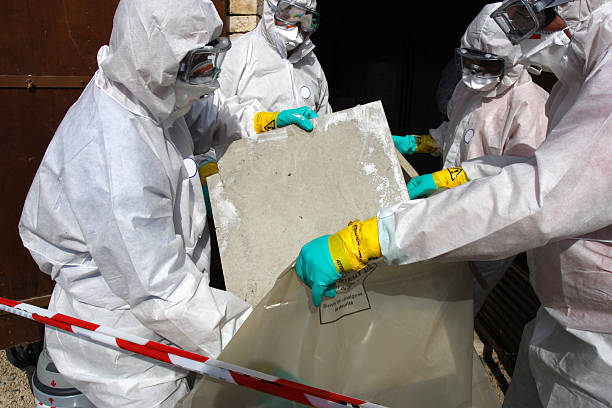
If removal or other corrective work is required, it should be handled by appropriately qualified professionals following applicable requirements.
The work may involve establishing controls around the affected area, using suitable protective measures, carefully removing or managing the material, and handling waste through approved procedures.
Post-abatement checks may be appropriate
After asbestos-related work, additional inspection or clearance procedures may be required depending on the project and applicable requirements.
The purpose is to determine whether the work area meets the conditions required for its intended next use. The exact procedures vary according to the project and governing requirements.
Why Professional Inspection Matters Before Construction
An asbestos inspection can reduce uncertainty before a project begins. Knowing which materials have been tested allows property owners and contractors to plan work around identified hazards.
A professional assessment also helps prevent assumptions based solely on the appearance or age of a material.
Testing can prevent unexpected project delays
Discovering asbestos after demolition has started can affect the work schedule and require changes to the project plan. Testing beforehand provides an opportunity to identify suspect materials before they are disturbed.
This can make it easier to plan the work, communicate requirements, and determine whether specialized services are needed.
How to Prepare for an Asbestos Inspection
Property owners can help make an inspection more useful by providing information about the building and the planned project.
Details about the building’s approximate age, previous renovations, repairs, and areas that will be disturbed can help the inspector determine which materials should receive attention.
Information to provide
Before the inspection, gather:
- Approximate construction date
- Previous renovation records
- Known repairs
- Areas scheduled for demolition
- Flooring or ceiling replacement plans
- Plumbing or HVAC work plans
- Previous asbestos reports
- Locations where suspect materials are visible
The inspector can use this information to establish a suitable inspection scope.
A Positive Result Should Change the Work Plan, Not Create Panic
A positive asbestos sample provides specific information about a tested material. The next step is to determine how that material relates to the property and the planned work.
The material should not be disturbed casually. Instead, property owners should review the inspection findings, understand the condition and location of the material, and determine whether additional professional services are needed.
For renovation projects, testing before work begins gives property owners a better opportunity to identify asbestos-containing materials before construction activities disturb them.
Frequently Asked Questions
1. What happens after an asbestos inspection finds a positive sample?
The positive result should be reviewed with the inspection findings to identify the location, condition, and type of affected material. The planned renovation or repair work should also be reviewed to determine whether the material could be disturbed.
2. Does every positive asbestos sample require removal?
No. Removal is not automatically required for every asbestos-containing material. Depending on its condition and location, a material may sometimes be managed in place if it will remain intact and undisturbed. The appropriate response depends on the specific circumstances.
3. Should asbestos testing be done before renovation?
Testing may be appropriate before renovation when older or suspect materials could be disturbed. Identifying asbestos-containing materials before construction can help property owners and contractors plan the work appropriately.
4. How do I choose an asbestos inspection company near me?
Look for an inspection provider that clearly explains its inspection scope, sampling process, laboratory analysis, reporting, and qualifications. Ask what materials will be evaluated and how positive results will be documented.
5. How can Fun Guy Inspection & Consulting, Inc. help after a positive asbestos sample?
Fun Guy Inspection & Consulting, Inc. provides environmental inspection and testing services that can help property owners investigate suspected asbestos-containing materials. The appropriate inspection or testing scope depends on the property and the planned work.